
“The very name 'Space' seemed a blasphemous libel for this empyrean ocean of radiance in which they swam. He could not call it 'dead'; he felt life pouring into him from it every moment. How indeed should it be otherwise, since out of this ocean all the worlds and all their life had come? He had thought it barren: he now saw that it was the womb of worlds, whose blazing and innumerable offspring looked down nightly even upon the earth with so many eyes-and here, with how many more! No: Space was the wrong name.””
- C. S. Lewis, Out of the Silent Planet
I've always been a dreamer,
and I'm too old to change now. Strap in, we're going for a ride!

The Shape of Things To Come (source)
I'm Designing A Spaceship...
Yes, You Heard Me Right!
by Duncan Cary Palmer
WHAT?
While that may sound insane on the face of it, I'm quite serious. I've cherished this idea since childhood, and recent technology news has fanned those flames back to life.
What is the essence of a spaceship?
Strictly speaking, it's a bubble of air to contain and protect frail human bodies hurtling through the deadly environment of space. Add equipment to refresh that air, and a means to propel the whole shebang.
FYI, it's the "means to propel" bit that has been problematic; complex, fuel-intensive, dangerous, and inaccessibly costly for a mere mortal—up until now.
The Holy Grail of spaceship propulsion has burst on the scene, reigniting my passion to build one. For an introduction to this enabling technology, watch the YouTube interview below, and follow the links on the YouTube page below it:

Spaceship Design
My working design blends pragmatic considerations and whimsical, romantic notions collected from a lifetime of reveling in science fiction and fantasy literature.
Structure
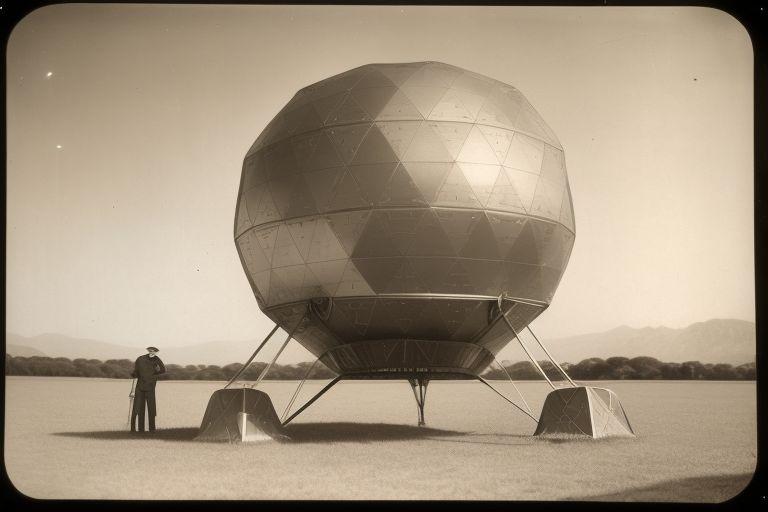
Like the ship that carried Dr. Elwin Ransom to Malacandra (Mars), my ship will approximate a sphere. Its primary shape will actually be a truncated icosahedron, welded of 20 hexagon and 12 pentagon aluminum plates.

The Shape of Things To Come (source)
The plates will be cut from industry standard four foot width aluminum sheets, using the full width for the hexagons. The resulting ship will be approximately twelve feet in diameter, providing adequate internal space for the crew to sit or stand, and for life support and propulsion equipment.
Portals will be polycarbonate glued and riveted inside openings in selected facets of the ship. The first prototype may not even be outfitted with an airlock, but will have a robotic arm and grappling hand for collecting samples and storing them in an externally accessible hold.
Instrumentation will include spread-spectrum mesh network gear, lidar for ranging, and a multiplicity of computers to manage systems and make piloting as easy and foolproof as possible.
The ship will be oriented so that one of the hexagonal facets will be the base. It will be welded to a supporting equilateral triangle of aluminum beams ending in adjustably extensible pads for level parking on irregular terrain.
The ship will be capable of up to three gravities of continuous acceleration, giving it access to the entire solar system within reasonable travel times; for example, travel to Mars in about three days.
|
|
|
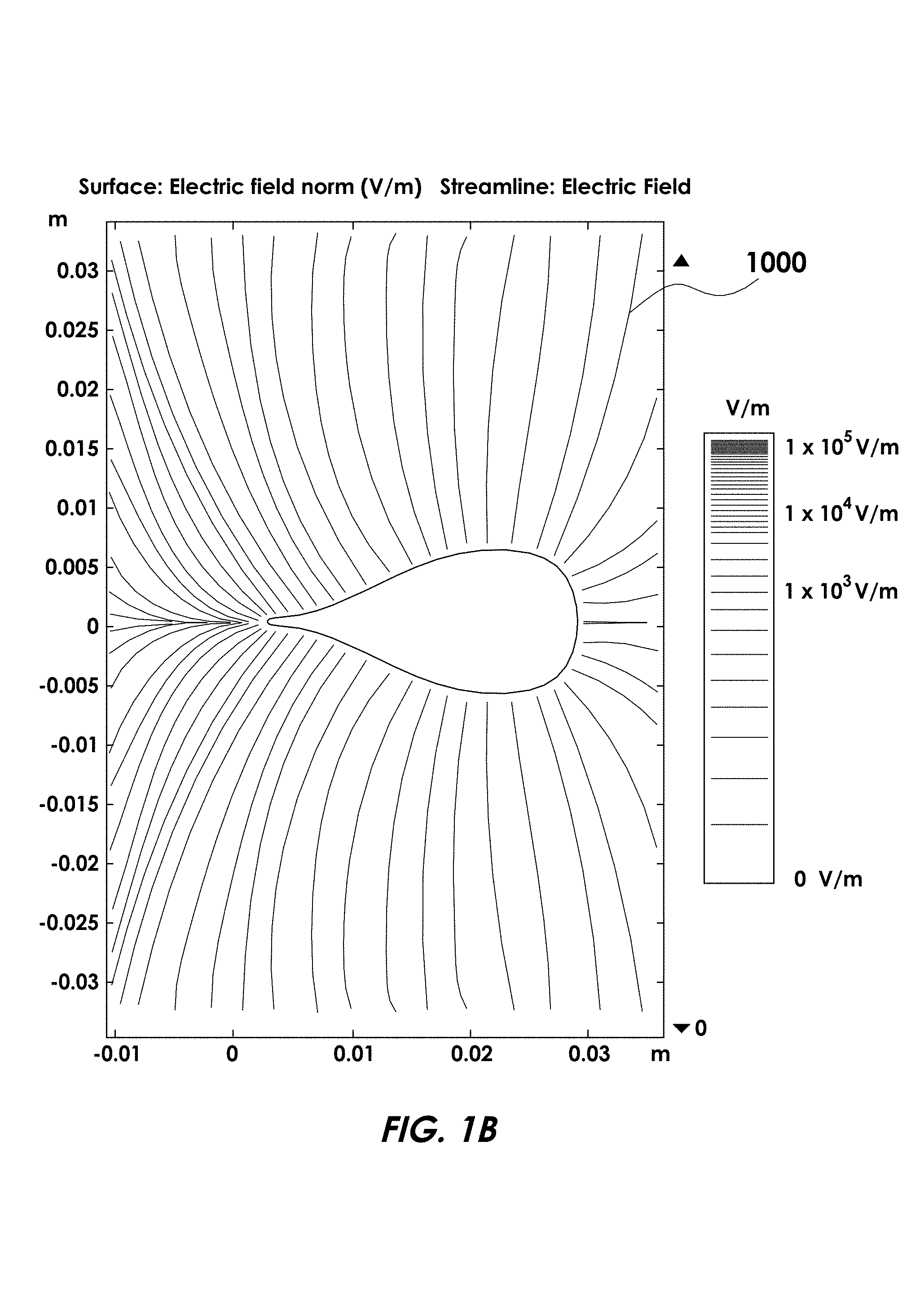
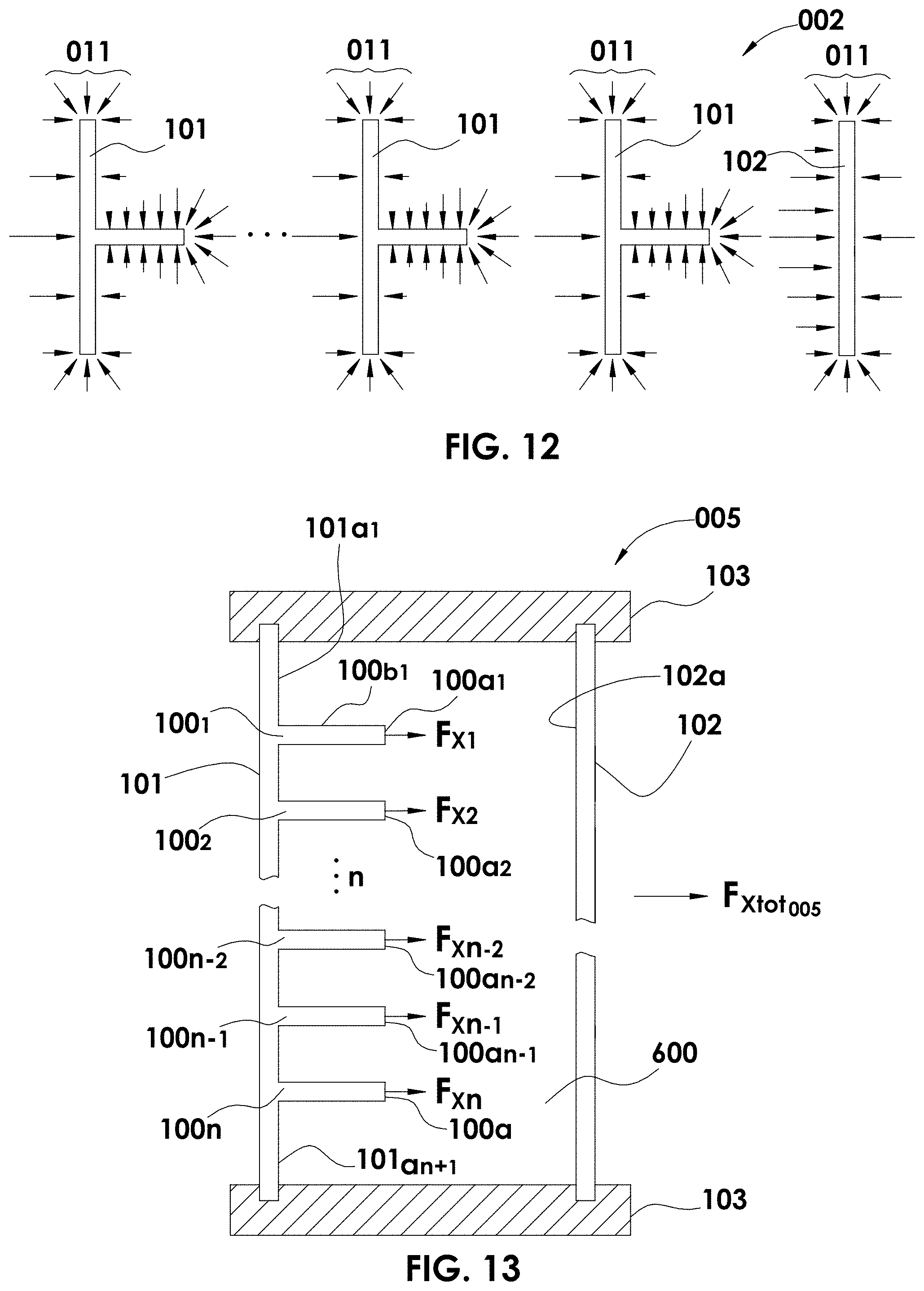
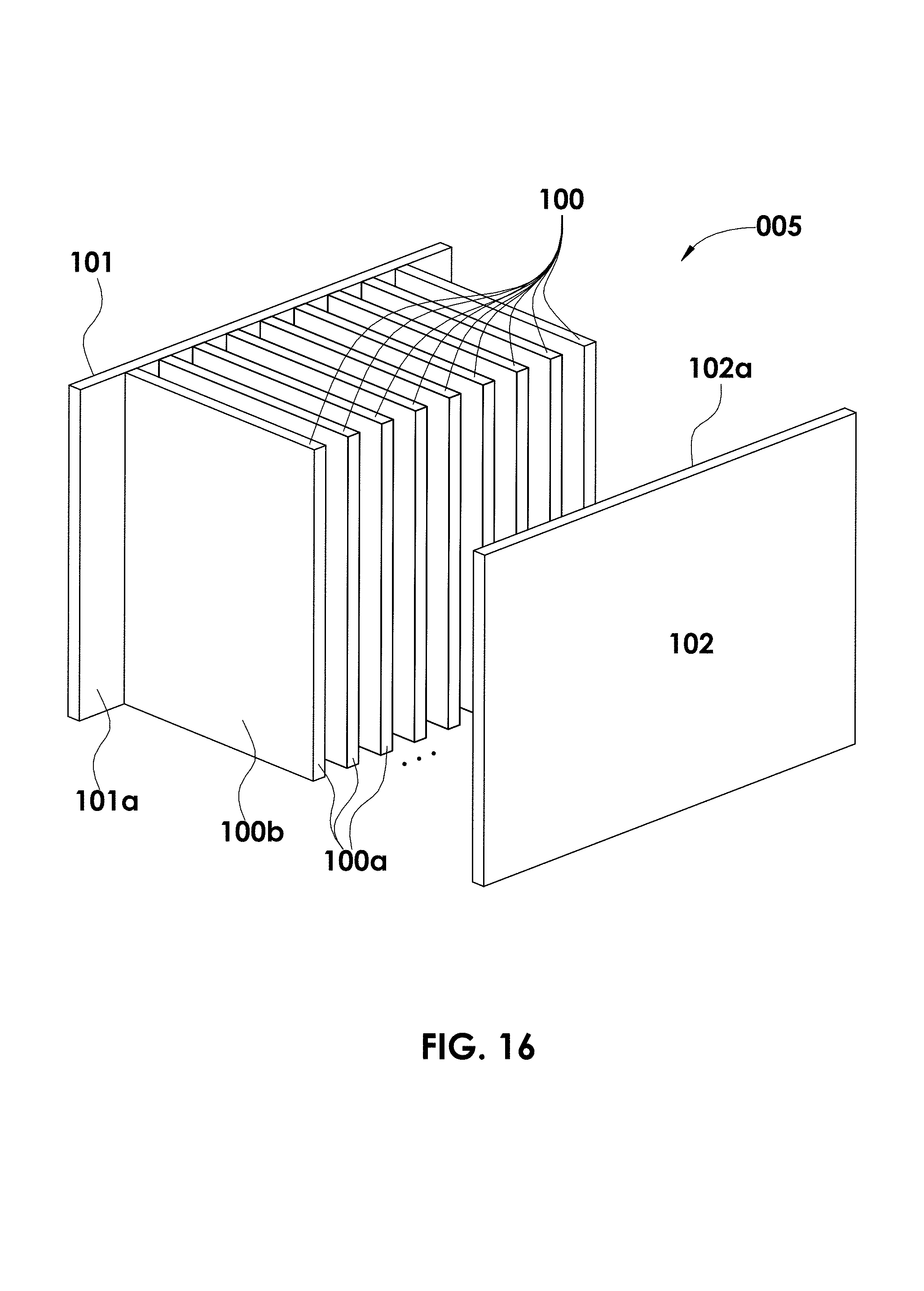
A few patent illustrations (source) (click for full size)
Early mission plans
Navigation for most flights will be by "seat of the pants" dead reckoning. The first major venture will be to the Moon. When the Moon is full, it is in the solar-wind shadow of Earth's magnetic field, providing considerable shelter from cosmic radiation. The flight out will take four to five hours.
We'll approach the Moon from behind its orbital direction of motion, sneak up on it, and use our lidar to come in for a cautious "landing," which initially will be simply hovering near the surface. During five or six hours there, the first target of great interest will be exploring one of the collapsed lava tubes, floodlighting and photographing it.
Another four to five hours will see us back home the same day.
Things to come...
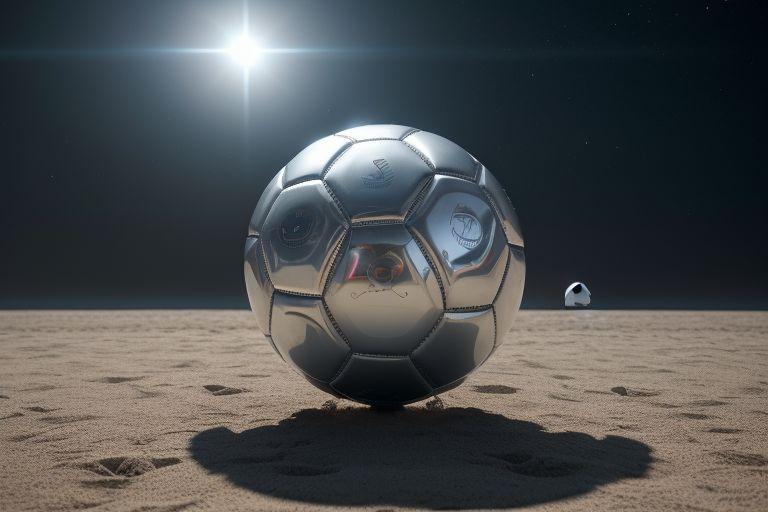
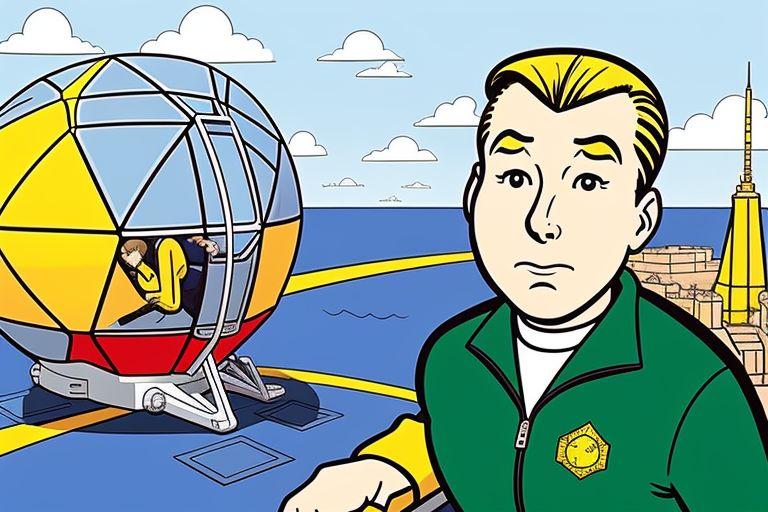
Time and energy permitting, I will try to produce some 3D sketches and concept art for future articles about these plans. Thanks to the current availability of AI, here are a few images that are far from accurate, but capture a little of the spirit of what I am shooting for:
|
|
|
Attempting to capture the spirit of personal space travel...
(click for full size)
What are your dreams?
Let us know in the comments below, and...
Dare to Dream BIG!
*FIN*
NOTE: Don't miss the enlightening hyperlinks in my posts.
IMAGES are my own, open source, by permission, or fair use.
 , click the library image:
I would love to hear from you; please join Hive and join the conversation below!
