

Cataloguing species is a long, arduous process. It always has been and that will likely never change. What does change, however, is the technology and methodology of how we actually figure out what's what.
Back in the olden days, taxonomists would have determined a species morphologically; what an organism looks like. As knowledge grew, similar creatures were separated by their inability to produce fertile offspring with one another.
Then it got complicated.
You see, species aren't actually like Creationists want us to believe. There's no 'missing link' between one animal and the next. Consider humans 10,000 years ago. They were surely very much human just as we are now, but think of how much we have changed over that time, too; taller, live longer, hair and eye colours, diet and so on. At what point will a modern day human be unable to mate with a 10,000 year old human?
Trick question, they could MATE, but not give birth... because the 10,000 year old one is uh... dead
Things get even worse. Not all organisms have sex, or even have a sex to have sex with; bacteria, plants and so forth. Even the Komodo Dragon has been observed reproducing asexually even though it's a typically sexual creature. Some creatures are so unique and bizarre it's hard for taxonomists to even put them in the right phylum.
And on the other side of things, some creatures can produce fertile offspring despite looking absurdly different or have been isolated from one another for millions of years.
Needless to say, disagreements arise all the time, as some creatures are so familiar, the lines drawn can be arbitrary and subjective. Things generally boil down to a close look at genetics and a mixbag of all other aspects to find some kind of correlation in order to properly put things on a tree of life.
And that's where today's adorable little jellys come in:
The US sea nettle Jellyfish
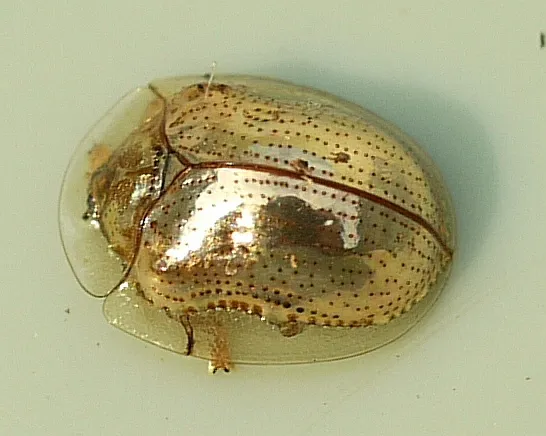
When you think of new species, I bet you think of some Indiana Jones type scientist hacking away at jungle vines, only to stumble across a golden beetle that spits liquid copper onto its mating partners.
Well, it's usually more boring than that, but no less surprising... I guess?
The sea nettle, or Chrysaora fuscescens is a very common and recognizable jellyfish and has been known for almost 175 years. People just kinda assumed it was a species and moved on. Some were bigger, some were smaller but whatever.
Well two individuals, Patrick Gaffney and Keith Bayha, decided to use the modern technology we have to make a mess of this assumption. Gene sequencing is the newest and best tool we have for really looking into the nitty-gritty and the nuts and bolts of any given organism.
What these scientists did was to look at the genes of about 120 of these jellies and cross-referenced them with their size, number of tentacles and other variants. What they found were two distinct species, now called the sea nettle and the bay nettle!
Morphologically, the sea nettles had way more yet shorter tentacles, about 40 compared to 24 (on average), and had a bigger 'head'. Geographically, the bay nettles lives in the bay areas... and the sea nettle... yeah.
Thanks to the team's work, this particular corner of the phylogenetic tree of life now looks like this:

Great!
This kind of discovery of a well known species can be quite important in the understanding of their behaviours and diets, which can help mitigate ecological disasters. The bay nettle, for example, feeds on a predator of mollusks, and if they do a good job at that, the mollusc may have a higher chance of avoiding extinction. Bay nettles themselves are quite pest-like themselves, clogging up vents, stinging people at beaches, even messing up levels of oxygen. But they're also an important diet option for other animals.
So give a round of applause for taxonomists, for their work is difficult, underappreciated, and they're trying to save the world!

Image sources CC0 licensed
Sources:
Multigene phylogeny of the scyphozoan jellyfish family Pelagiidae... | New discovery news | How species are identified