
My uncle from Austria came back home some days ago for a brief vacation here in Nigeria. I was overwhelmed by his arrival probably because it’s been close to a decade I last saw him. The first thing he said to me was “mehn! This country is still so hot” and I laughed. Reasons for my laughter were; was it not this country you grew up before travelling to central Europe? There was room for further discussions between us but the most intriguing thing he said was a dead animal not decaying for month due to snow. Hmm! Well I don’t know how true that could be and I cannot really say my uncle was exaggerating snow. All these begging questions keeps banging my head for replies.
Hi lovely steemians! It is with joy to write here once again. In this article more explanation and light will be shed on SNOW. Well I know the word snow is not new to anyone of us. If new, just stay glued as thus is an avenue to know and learn more about snow. Here, we will know its formation, economic importance, its side effects and also it good side and probably why some countries don't experience snow like my own country here in West Africa.
Read and have a lovely time here
INTRO
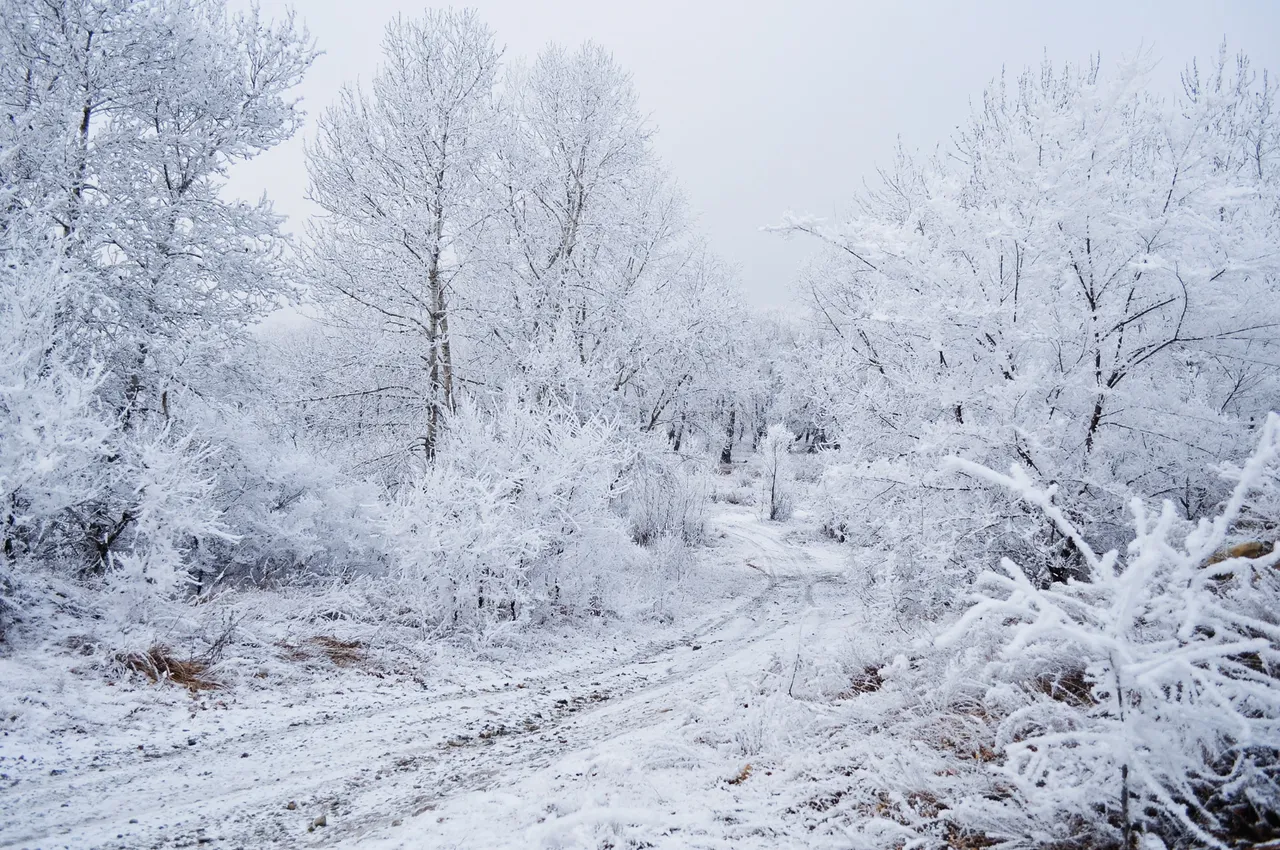
Snow literally means a white small droplets of ice from the sky during cold weather some will refer it to as "winter". Scientifically, it is regarded as small bins of ice crystals formed through precipitation process formed at a very low temperature of 32°F (0°C) or less. Well I don't know how possible one can be scared or escape from the fall of snow in most part of Europe but I sincerely know if snow suddenly falls here there will be a lot of chionophobians for a period of time before they get use to its occurrence.

FORMATION OF SNOW
If you recall vividly from my article on lightning, I made a particular sketch (an image sketched by me here. The formation of snow also goes by this similar sketch with just little differences. Literally from that blog, it can be explained that the hotness of the ground is mixed with air to form a warm air. Just like a cycle process, the warm air forms water vapor which cools off to produce cloud. It is as simple as that without chipping in big grammars and explanation for proper comprehension on snow formation.
From a phrase I used earlier on steemit, from water vapors which is one of the cycle process, small bins of ice are formed when the clouds form thundercloud which keeps getting bigger from the continuous cycle process of hot ground mixing with air in that sequential order. The small bin of ice crystals form SNOW when there is a sticking together of ice which can be referred to as snowflakes. When there is a lot of sticking clouds crystals, their weight becomes too much to handle or withstand by the cloud thereby falling off to the ground in form of Snow.
I hope we are getting the logic in a very explicit way. In other words, we can say the formation of snow arise when there is low temperature (through the cycle process) and the atmospheric moisture (from the water vapor forming the clouds to give small ice crystals)

Interesting differences between wet and dry snow
I once thought before making deep research that: can snow be dry? Surprised? I was surprised also but in real sense snow is not dry as you must have been thinking right now.
A dry and wet snow are gotten or formed form the same cycle process explained earlier only that dry snow does not warrant the sticking together of snowflakes formed. A dry snow tends to be smaller in size which is dependent on the air temperature; when the temperature is cooler than 0°C dry snow are formed. The reverse is the case for wet snow. The sticking together property of snowflakes makes the small, tiny bin of ice formed to become heavy.
This literally occurs when the temperature of air is a little warmer than 0°C, the snowflakes melts and there comes a formation of those melting ice to stick together with another melting ice to form a bigger and heavier ice bin.

So it is not as if the dry snow is like stone that is dry (laughs)! I hope you are finding this article interesting and well comprehensive enough? There is still more to learn here, please chill around and enjoy
Why don't we have snow in most part of Africa and some other countries outside it?
I have always wondered why we do not experience or should I say enjoy snow here in West Africa. Is it that the eco system just decides to deprive some countries snow? I am thinking like a layman here (chuckles!). Permit me to share a brief story, believe me it really happened.
"During my undergraduate days, if I could recall well. We (guys) were all out from the hostel playing a football match on a very cold evening. The match was so interesting the ladies were present cheering in different voices. Suddenly the bright and cool weather started changing to brown; did I just say brown? (laughs)! Because I must have been color blind at that spot. The breeze started whirling and the cheering ladies ran off to their respective hostel for safety. But we could not just afford to skip an interesting match so we decided to carry on with our match. Even as the rain poured down heavily, skills, dribbles and love passes were displayed on the wet field of play. Then a strange thing happened, and I can boldly say for the first time I had ombrophobia. Firstly I felt something like a small stone landing on my head; I thought it was a coincidence not until my skipper felt the same. With no surprise I started hearing different noises, it was not until a friend decided to look up to see what was happening we knew it wasn’t stone that was hitting us but small bins of ice which eventually landed on his nose. The game was brought to halt as we ran off the pitch seeking for shelter. Argument sprung up thereafter some people said its African snow; some said its rain stone. We kept the argument rolling till the rain stopped before everyone finally departing for the respective rooms. Although I failed to make findings at that time which was indeed my bad but it was recently I was surfing and came across “freezing rain”. I patiently read through and found out the whole experience I had then in undergraduate was FREEZING RAIN."
What is freezing rain?

Just as the precipitation process for snow, the freezing rain happens when the temperature is far beyond the freezing point due to air being in contact with any surface they meet. The simple understanding of the formation of the freezing rain is that when there is a droplet of rain through the passage of sub-freezing zone, it is cooled on its impact upon any surface (i.e trees, ground etc) then rain freezes. We were the surface in contact back then in school.
Let me clearly say countries with large highlands, mountains etc are associated with snow. It was said that here the coldest place or country in Africa is Lesotho which is also the most occurrence of snow in Africa because the country lies above approximately 1000 meters in elevation; meaning it is regarded as the country with the highest low point.
Basically, its heavy snow fall is as a result of its tall mountains situated in most part of the country.
Did i forget to tell you wind is also a key factor in snow formation? I think i mentioned it in form of air.
When wind blows and come in contact with a mountain, the air that surrounds it gets cold making the water vapor formed to change its state to liquid. This process mostly occur as a result of these mountains.
I once heard snow fell in Jos (a state in Nigeria)although i don't know how true that could be. Jos is known for its large flat area of land higher than the other areas of land that surrounds it. And i thought there might be little possibilities for a rare snow to fall due to these plateau and valleys in that particular state.
We can therefore say that the scarcity or absence of mountains or tall highlands in West Africa or some countries outside it results in the absence of snow. African countries like South Africa, Morocco, Kenya, Uganda, Tanzania, Ethiopia mostly the eastern part of Africa experience the occurrence of snow for which we now know the reason why for these.
Advantages/ Environmental importance of snow
The most important thing snow contributes to the environment is serving as a good insulator on soil because it covers the soil shielding it from very deep penetration of cold temperature into the soil as root systems could be damaged in the process. It also help some plants to avoid an alternate freezing or thawing cycles.
The conservation of soil moisture during winter is a vital role snow plays in the environment. The visibility of some landscape planting is also a major importance of snow.
DRAW BACKS
Its disadvantages overshadow its importance as it can damage shrubs, trees branches when there is abundance of it due to its weight on branches. It is not a very comfortable weather for human and animals during winter as snow causes cold.

During winter, it was estimated by the economist that billions of dollars is spent in clearing blizzards because its accumulates on roads, bridges as transportation systems find it hard to operate.
CONCLUSION
I conclude on this note, snow can be used as a preservative methods for some of our food just as refrigerators are used in homes and I know basically well that if snow finds it way here in Nigeria, people who cannot afford refrigerators to preserve their food will adopt the snow preservative techniques. Please don't laugh. Definitely that is a better alternative don't you think?
Thanks for your time, catch you here some other time.
REFERENCES
- Snow: Wikipedia
- Why doesn't it snow in Africa?: Quora
- Why does it snow on mountains?: Quora
- Freezing rain: Wikipedia
- What is freezing rain?: metro news
- Benefits of snow: Nebraska extension
- Snowstorms: fortune
If you write STEM (Science, Technology, Engineering, and Mathematics) related posts, consider joining #steemSTEM on steemit chat or discord here. If you are from Nigeria, you may want to include the #stemng tag in your post. You can visit this blog by 

You can also join us at Promo-Mentors, to improve your blogging skills. Join our discord channel and meet awesome mentors who are willing and ready to shape your writing skills.
