
Over 40 years have passed since Richard Nixon started the War on Drugs. It is beyond safe to say that enough time has passed to objectively analyze exactly how effective it has been.
First, let’s explain how the War on Drugs is bound to be a failure based on economics. When we are taught economics, one of the first things that we are taught is supply and demand. We are taught that if people demand a good or service, it will be supplied. This still applies after goods or services are made illegal; supply and demand affects all economic goods, whether guns, or marijuana. Since governments worldwide tried banning the use of drugs, but can not ever have control over the demand for them, people are still obtaining drugs. In fact, more people are doing drugs simply because they’re illegal.
A study has shown that less teens smoke marijuana after it was made legal in Colorado than before. Some people may ask, “How can that be possible? People can just go out and get it now.”
This can be explained using a famous example that drug prohibitionists reject: the prohibition of alcohol. It is common knowledge that the prohibition was a massive failure. In fact, we know that the prohibition ultimately did nothing to stop the consumption of alcohol (just like what is happening with the war on drugs.) What happened then (and is happening now) is an increase of demand simply because they are illegal.
Next, let’s take a look at the effects of the War on Drugs:
The amount of people in prison has skyrocketed since Nixon launched the war on drugs. See the graphic below:
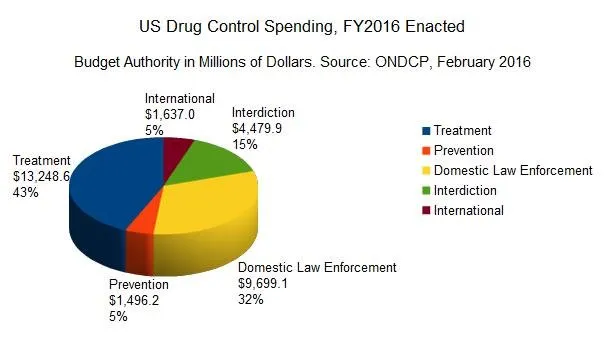
The U.S now has 25% of the world’s prison population, and only 5% of the world's population. The U.S government has an insane budget for the war on drugs, which comes out of taxpayers’ wallets. The budget for the War on Drugs has continually risen, while the drug addiction rate has remained about the same. Therefore, the War on Drugs can’t even be justified based on effectiveness.
Next, let’s talk about how the War on Drugs is a failure philosophically. The War on Drugs assumes that people don’t have a right to self-ownership; that they are not solely responsible for their actions. What this means is that they are saying that people don’t have a right to do anything that they want, even if it is peaceful. People solely control themselves (which can be established by any action that they take), and it’s up to these people to decide what they put into their bodies. Essentially, what the War on Drugs comes down to is police hurting people for them hurting themselves, rather than protecting people from people hurting them, because politicians said that they should.

The War on Drugs is just a war on people and a war on freedom.