


Any enthusiastic gardener will tell you that gardening is food for the soul. Gardening stirs your imagination to be creative. It provides some fun along with physical exercise, fresh air, and sunlight. In addition, there is the delight of seeing the seedlings sprout, flowers bloom, picking fresh fruit, harvesting vegetables and having fresh herbs at your disposal.
An added bonus is seeing a variety of butterflies, birds, and frogs you attract to your garden. These are just some of the joys of gardening and creating a well-balanced ecosystem around you. So today we will discuss the importance of keeping your garden pest free and how to attract butterflies as well as providing a well-balanced eco-system for them.
“Every garden is an individual expression of creativity. So! You think you‘re not creative. Well, plant a garden and you may find out that you are far more creative than you thought.”
PARSELY (Petroselinum sativum)
Parsley is a medicinal herb that can help alleviate a wide variety of ailments. In addition to being rich in antioxidants, it makes a healthy tea. It's best to make parsley tea from fresh leaves so that it retains the maximum amount of nutrients. Parsley is also used as a digestive aid and natural breath freshener. It contains lots of vitamin A, copper, and manganese, plus three times more vitamin C than oranges, and twice the iron as the same amount of spinach. Sprinkle it in your next casserole or pot of soup to add both flavour and lots of nutrients.
Tea made from parsley is a traditional remedy for colic, indigestion, skin conditions and intestinal gas. It helps to purify the blood and fight cancer.
• Put two tablespoons of fresh parsley in boiling water.
• Steep for 5 - 10 minutes and then remove the parsley.
• You may add a few drops of lemon and a teaspoon of honey, or drink it as is.
As with other medicinal herbs, (even natural products) start off slowly, one cup a day until you see how your body reacts.
Caution: It is not recommended for pregnant/breastfeeding women or anyone with inflammatory kidney disease because it can have negative side effects.

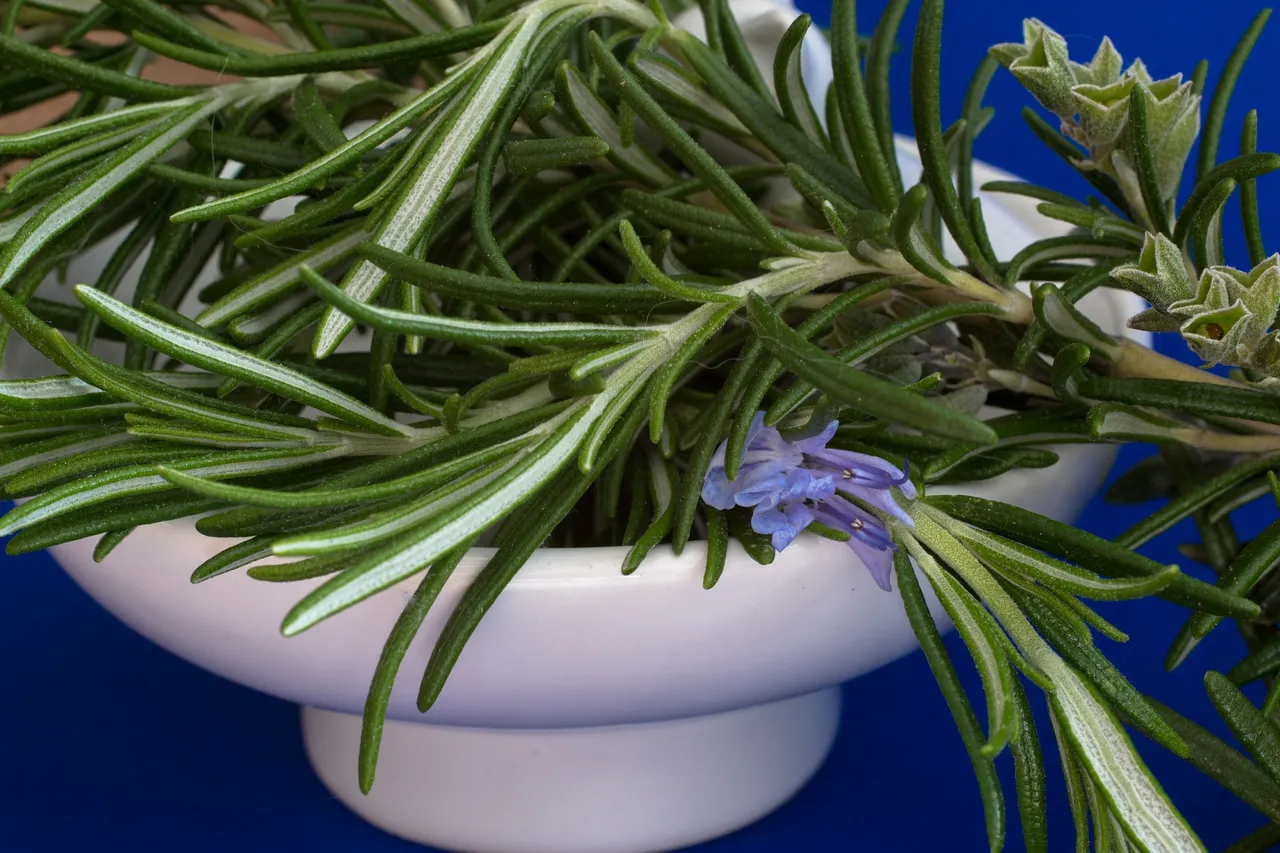
ROSEMARY (Rosmarinus officinalis)
Whether fresh or dried, rosemary is a popular herb in every kitchen and can be added to meat, soups, sandwiches, cheese, and dips. It also makes wonderful infused oil. Rosemary provides a wide spectrum of benefits, due to its anti-inflammatory, anti-fungal, antibacterial, and antiseptic properties, making it highly versatile and useful.
How to make your own rosemary-infused oil:
• Place a sprig or two of dry rosemary leaves in a glass jar and cover with olive oil.
• Replace the lid, and shake lightly.
• Store in a warm, dark place for two weeks. Strain the oil and pour it back into the glass jar.
• Use ¼ cup for a fragrant bath or drizzle it over your salad as a dressing.
THYME (Thymus vulgaris)
Thyme is another easy-to-grow plant. Both the leaves and flowers enhance the flavour of casseroles, soups, stews, and sautéed vegetables.
Thyme is also a very good garden pest deterrent, especially for beetles. Thyme has a hundred and one uses i.e. potpourri, mood-enhancing aromatherapy, sachets that repel moths, cough elixirs and mouthwashes as well as fighting throat infections.
It is also used in making soap, toothpaste, cosmetics, perfume, and antibacterial ointments and creams to fight infection in scrapes and cuts. With its antibacterial, antiseptic and antimicrobial properties, you should consider planting thyme in your herb garden and incorporating it into your diet.


Would you like to earn some Superior Coins?
Join us on Kryptonia here
Join our Discord Server here

I am offering a safe and natural alternative to conventional treatment, but these recipes, ideas and treatment should not be misconstrued or substituted for medical advice. Please always proceed with caution and test it first on a small area, or in small quantities, if you are uncertain. Should you suspect that you or your animal have a medical problem, I urge you to seek professional advice.

This post was shared on Steemit as well as Whaleshares