
Have you ever gotten sick without realizing why?
Have you noticed the condition of your water getting worse and worse over time?
Did you ever think these two situations might be related?
Unfortunately, there are several diseases caused by water pollution, and they may be more likely than you think. In this article, you’ll be briefly introduced to the problem of water pollution and how it can have an effect on your health. You’ll then be provided with a list of diseases caused by water pollution that you should be on the lookout for.
By the time you’ve finished reading, you’ll be ready to recognize any health problems caused by water pollution and you’ll know what to do to take care of them—and to prevent them. Read on to learn more.
Water Pollution
Water pollution is a huge problem around the world. You’ve probably heard this, but you might not have ever realized just how significant it really is. Fresh water is being polluted around the world, not just at the surface, but also as deep as groundwater too. Runoff from factories, pollution from dumping, and even the regular use of chemicals in agriculture and around the home contribute to the increase in water contamination around the world.
a huge problem around the world
Unfortunately, this leads to several illnesses caused by water pollution. It’s estimated that over 80% of the diseases spread worldwide come from water pollution and that nearly 2 billion deaths every year occur because of this major problem. With so many diseases caused by water contamination, it’s a good idea to familiarize yourself with the symptoms in order to recognize any potential problems before they get too bad. Below are thirty such diseases as well as their causes, risk factors, and more.

1. Cholera
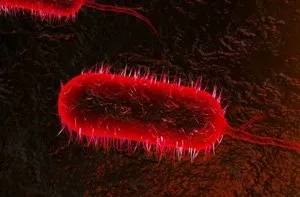
Cholera
Symptoms
Dehydration
Severe diarrhea
Stomach upset
Sometimes death
Cause
Bacteria found in polluted water
Ingesting water with bacteria present
Swimming in contaminated water with an open wound
Factors that Increase Risk
Lack of stomach acid
O blood type
Uncooked shellfish
Unsanitary conditions
Treatment
Get vaccinated against cholera.
Be sure to keep up with vaccinations.
Strict antibiotic treatment and hospitalization are the only treatment post-infection.
Prevention
Use treated water in your home at all times.
Use bottled or boiled water if your city has a boil water order.
Always wash unpeeled fruit and vegetables, even if you will peel them.
Avoid unpasteurized milk products.
Avoid undercooked shellfish.
2. Dracunculiasis
Exposure to the Guinea worm’s larvae in water

Symptoms
Fever
Swelling and pain
Worms visible in welts on the skin
Itching, stinging and tingling skin
Vomiting and diarrhea
Cause
Exposure to the Guinea worm’s larvae in water
The worm becomes an opportunistic parasite on the human body
Factors that Increase Risk
Ingesting untreated water especially found in nature
Living in an area where this infection is common
Swimming in contaminated water with open wounds
Treatment
Ibuprofen to reduce inflammation and pain
Topical antibiotics
Slowly pulling the worm out of the body over a period of days by using a sterile stick
Prevention
Always use clean, filtered water for every purpose.
If camping or otherwise spending time in nature, always bring a powerful water filter.
Boil water if no filter is available.
3. Typhoid
Bacteria that can be found in polluted water

Symptoms
High fever
Stomach and headache
Weakness
Loss of appetite
Constipation
Very rarely, internal bleeding
Cause
Bacteria that can be found in polluted water
Food that has been contaminated by either drinking contaminated water or being grown with contaminated water
Factors that Increase Risk
Traveling to countries in the developing world
Traveling to South Asia
Exposure to contaminated water that hasn’t been filtered or boiled
Treatment
Antibiotic treatment and hospitalization are the most common types of treatment for typhoid.
Ibuprofen for inflammation and pain may also be administered.
Prevention
Wash your hands frequently and don’t touch your eyes with dirty hands.
Don’t drink water from taps or make ice from this water in countries where typhoid is present.
Don’t eat raw or room temperature food in these countries.
Don’t eat unwashed food.
4. Diarrhea
Drinking water contaminated with bacteria

Symptoms
Watery, loose feces
Uncontrollable urge to go to the bathroom
Feces of strange colors or with significant bad smell
Cause
Drinking water contaminated with bacteria
Drinking water contaminated with chemicals
Factors that Increase Risk
Regularly drinking well water that isn’t filtered
Drinking or using water from a natural source without treatment
Eating food that hasn’t been washed, or that has been washed with contaminated water
Treatment
Treatment is usually rest and plenty of liquids.
Hospitalization may be required for severe dehydration.
Eating simple foods until the stomach settles is a priority with diarrhea.
Prevention
Always boil water or use bottled water if you aren’t sure of the quality.
Use a filter at home if you have well water or questionable city water.
Wash food with clean water.
5. Ulcers
type of irritation to the lining of the stomach or intestines

Symptoms
Fullness in the stomach, even after eating very little
Frequent bloating and gas
Burning pain described as being in the “pit” of the stomach
Frequent heartburn and nausea
Cause
Any type of irritation to the lining of the stomach or intestines
Chemical pollutants in water, which can damage the lining of the stomach severely
Bacteria that may be present in water
Factors that Increase Risk
Frequently drinking alcohol and smoking
Eating spicy foods often
Being high-stress much of the time
Combining any of these factors with consuming polluted water
Treatment
If caused by a bacteria, antibiotics
Medication that reduces the production of acid in the stomach
Antacids on a regular basis
Medication that protects the stomach’s lining
Prevention
Avoid contaminated water to reduce the risk of irritating the stomach or introducing a bacteria.
Do not use alcohol or tobacco regularly.
Eat mild foods.
6. Hepatitis
matter to the human liver

Symptoms
Fatigue
Fever
Nausea
Yellow skin or eyes
Cause
The introduction of fecal matter into the body
A virus spread from fecal matter to the human liver
Factors that Increase Risk
Abuse of alcohol or tobacco significantly over time
Other drug use
Exposure to unsanitary conditions
Treatment
Hospitalization in order to keep the body hydrated
Rigid antibiotic treatment over time
Antiviral medication administered for a long period of time
Prevention
Vaccination against hepatitis from a young age
Avoiding unsanitary conditions
Always boiling or filtering water before use
Avoiding swimming in natural, untreated bodies of fresh water
7. Respiratory Infection
viruses in water

Symptoms
Coughing or sneezing
Stuffy head
Headache and earache
Rattling in the chest
Difficulty breathing
Cause
Bacteria that may be ingested through contaminated water
Exposure to viruses in water that has been polluted with fecal matter
Exposure to chemicals in polluted water
Factors that Increase Risk
Having a weak immune system due to disease or medication
Frequent respiratory infections in the past
Living in unsanitary conditions
Treatment
Antibiotic or antiviral medication
Plenty of rest and liquids
Hospitalization in some situations
Medication to break up mucus in some situations
Prevention
Avoid drinking water that hasn’t been filtered or boiled.
Avoid eating food that may have been prepared in unsanitary conditions.
8. Earaches
Exposure to viruses in water
https://lh3.googleusercontent.com/-vaDAbfUx4rKo32yBRGHOCg_ymmadXkhI-wnodemtF0mmpZ9kgLp0Von0fcjMHolOTZW=s127
Symptoms
Pain in the ear
Itching in the ear
Dizziness and nausea
Feeling of stuffiness in the head
Cause
Exposure to bacteria in contaminated water supplies
Exposure to viruses in water contaminated by fecal matter
Swimming in natural sources of water
Factors that Increase Risk
Frequent earaches in the past
A weak immune system due to illness or medication
Very young children and the elderly are more likely to experience this effect of pollution.
Treatment
Most earaches are treated with antibiotics or antiviral medication.
Painkillers may be given to help with inflammation and pain.
Rest and drinking plenty of clean water can also help.
Prevention
Avoid drinking untreated water or water that hasn’t been boiled.
Avoid swimming in natural sources of fresh water that haven’t been treated
9. Fluorosis
Over-exposure to water

Symptoms
Discoloration of the teeth
Deep pits in the teeth
Irregularities in the surface or color of the teeth
Cause
Over-exposure to water that has been treated with fluoride
Using fluoride treated toothpaste along with water that already contains too much fluoride
Sometimes referred to as “fluoride poisoning”
Factors that Increase Risk
Swallowing toothpaste instead of spitting it out
Using city water that has been over-treated
Drinking other liquids treated with fluoride, such as mouthwash
Treatment
Teeth-whitening procedures at the dentist’s office
Bonding the teeth with enamel
Veneers and crowns on the teeth
Prevention
Always filter city water before using.
Always spit out toothpaste and mouthwash instead of swallowing it.
Encourage children to spit out toothpaste even if it tastes good.
10. Arsenicosis
Drinking surface water

Symptoms
Confusion
Fatigue
Convulsions
Diarrhea
Headache
Cause
Drinking contaminated groundwater
Drinking surface water that has been contaminated with chemicals
Using rainwater without treatment
Factors that Increase Risk
Frequent exposure to contaminants at the workplace
Drink water from a well that is made of stone
Eating undercooked poultry
Treatment
Hospitalization
Removal of arsenic from blood through medication
Potassium supplements
Prevention
Avoid drinking water from stone wells without proper filtration or treatment
Always boil well water before use
Always thoroughly cook poultry before eating
source