

Dicen que los mensajes y consejos que uno pide en silencio llegan de las maneras más ilógicas; así mismo ocurrió esta noche mientras realizaba mi lectura diaria en #Hive.
El amigo 

Él nos expresa que la brújula interior puede ser una guía con amor.
No dejes de leerlo, sus palabras son un consejo para cada uno en cierto punto.
Por otro lado, sentí una inspiración absoluta al leerlo, y siento que así es como fluye nuestra plataforma: como una fuente inagotable de inspiración colectiva. Debido a esto, dejé esta respuesta en su trabajo, la cual será expandida bajo mi propia visión y analogía:
“Todos tenemos ambas partes en el ser; sin embargo, está en nosotros mismos dosificarlas. A veces es malo ser demasiado bueno y, otras tantas, es bueno ser demasiado malo; y es que muchas veces respetan más al que grita que al que ayuda constantemente. Tu trabajo me ha inspirado”.
El 50/50 del ser interior
Como dije inicialmente en mi comentario a
No obstante, todos cargamos en nuestro ADN con esa parte de luz y oscuridad, yin y yang, dulce y agraz, bondad y maldad, o como quieran llamarlo. Lo que sí debemos deshilvanar, como buenas costureras o costureros, es lo siguiente:
Si bien es cierto que la bondad es la cualidad que abre las puertas y ventanas de cada sitio al que vamos, cuando es mal enfocada o se abusa de ella, deja de hacernos avanzar. En un punto que nunca notamos, pareciera haber soltado un pegamento que nos adhiere al piso sin oportunidad de movernos.

Es ahí donde los terceros abusan de esa bondad y, a la larga, terminan quemando el foco que trataba de iluminar todo el espacio. En ese proceso llega el cansancio, la autoculpa y, al final de cuentas, el "bueno" se extingue, dando un drástico cambio hacia la otra vereda.
En ese punto inicial donde de seguro has caminado, y donde yo misma he transitado, distingo lo siguiente: el inicio es lento, casi imperceptible; sin embargo, es bastante doloroso porque estamos comprendiendo que hemos sido usados, sin que se valore el esfuerzo depositado. Es ahí donde la razón se nubla y, en algunas instancias —y sin pecar de sabelotodo—, puedo decir que la mayoría ha pensado en la “venganza”, esa que, como bien dicen, se sirve en frío.
Aquí nos vamos de lleno a la maldad, y es que muchas veces el “malo no nace, se hace en el camino” a causa y consecuencia de sentirse usado y abusado por las circunstancias, ya sean voluntarias o involuntarias.
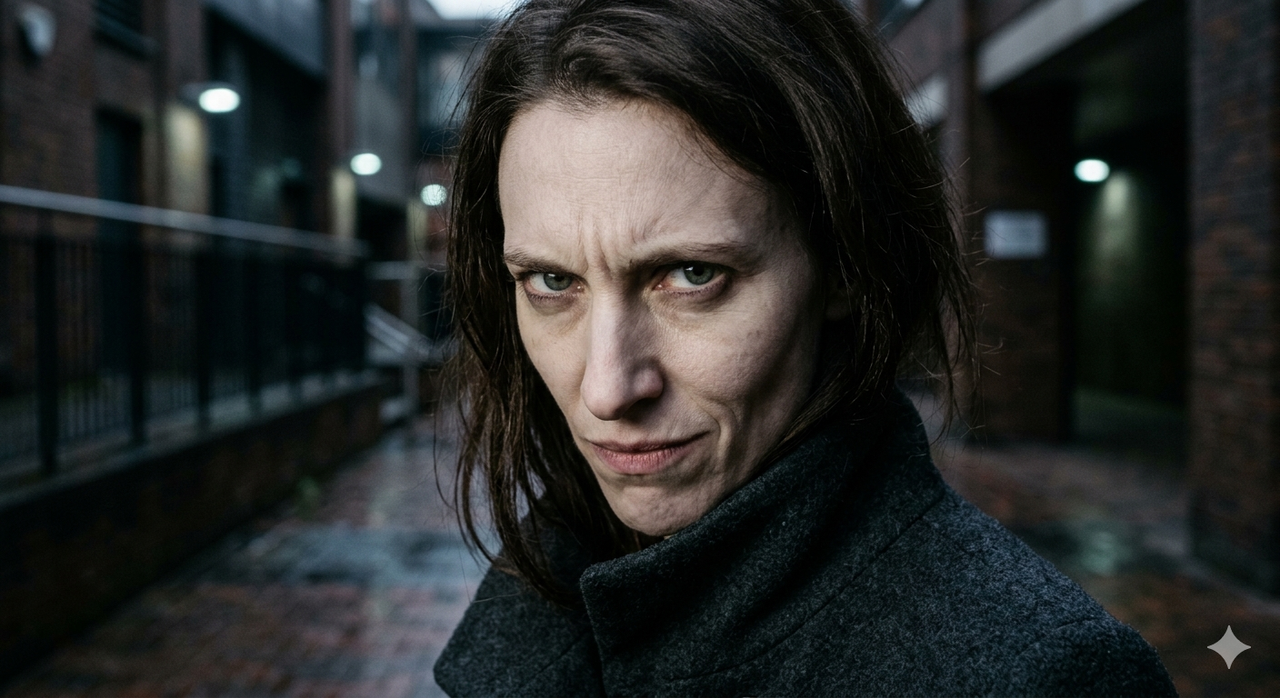
Pero así como la bondad puede pasar a la maldad, de la maldad también podemos regresar a la bondad. Sentir piedad e imaginar lo que otro siente es hacer que la coraza oscura se agriete, dejando ver pequeños espacios resplandecientes en el interior. Como bien lo expresó el Grinch, cuando la bondad renace, hace latir el corazón que se pensaba muerto o congelado.
Sin embargo, debemos saber también que hay una cierta cantidad (minoritaria) de personas que nacen con ese dejo de maldad, y aquí entro en otra arista o paradigma de la vida: ¿existen los niños malos?
La bondad y la maldad son, en gran medida, una herencia que proviene de nuestro círculo cercano. Si en ese núcleo familiar priman las conductas negativas, formaremos niños que tiendan a ir más allá de las "travesuras", creando potenciales seres que habiten más en la maldad.
🤔 ¿Qué quiero decir con esto?
Sabemos que en la primera infancia los pequeños no conocen la gestión emocional y mucho menos miden su fuerza; es ahí donde entran los padres. Nosotros somos ese regulador, pero ¿qué ocurre si el regulador se ha vuelto ciego por voluntad propia?
En muchas instancias, tanto padres como madres tienden a minimizar las acciones de sus hijos bajo discursos absurdos: "son solo niños", "estaban jugando", "no seas dramática". La realidad es que estas palabras crean un "escudo de impunidad" para estos niños y niñas.
Estos actos, que desafortunadamente no desaparecen sino que escalan de nivel, generan que los menores cometan cada vez más faltas contra sus pares; para ellos esto se vuelve "algo normal", ya que así se lo han enseñado.
Lo que comienza como una travesura escala hacia la maldad. Ese niño o niña que creció sin límites se convertirá en un adulto que llevará la maldad dentro; quizás no la de atentar contra terceros como un delincuente, pero sí la de pasar por sobre los derechos de los demás y menoscabar la integridad moral de quienes tenga a su alrededor.

“Aceptar que no somos perfectos es la instancia idónea para aprender a graduar el potenciómetro interno de la bondad y la maldad. Si esta se inclina hacia un solo lado, corremos el riesgo de ser usados como herramientas o, en el extremo opuesto, de gozar viendo el sufrimiento de otros.”
Y tú ¿ya hiciste una buena acción del día o te alegraste con la caída de alguien que no conocías?
English
They say that the messages and advice one silently seeks arrive in the most unexpected ways; that’s exactly what happened tonight whilst I was doing my daily read on #Hive.
My friend
He tells us that the inner compass can be a guide filled with love.
Be sure to read it; his words offer advice for everyone at some point.
On the other hand, I felt utterly inspired whilst reading it, and I feel that this is how our platform flows: as an inexhaustible source of collective inspiration. Because of this, I left this response on his work, which I will expand upon through my own perspective and analogy:
“We all have both sides within us; however, it is up to us to balance them. Sometimes it is bad to be too good, and just as often, it is good to be too bad; the fact is that people often respect the one who shouts more than the one who constantly helps. Your work has inspired me”.
The 50/50 of the inner self
As I said initially in my comment to
Nevertheless, we all carry within our DNA that part of light and darkness, yin and yang, sweet and sour, good and evil, or whatever you wish to call it. What we must unravel, like skilled seamstresses or tailors, is the following:
Whilst it is true that kindness is the quality that opens the doors and windows of every place we go, when it is misdirected or abused, it stops us from moving forward. At a point we never notice, it seems as though a glue has been released that sticks us to the floor with no chance of moving.
That is where others take advantage of that kindness and, in the long run, end up burning out the light that was trying to illuminate the whole space. In that process comes exhaustion, self-blame and, ultimately, the ‘good’ fades away, leading to a drastic shift to the other side.
At that initial stage, which I’m sure you’ve walked through, and which I myself have traversed, I notice the following: the beginning is slow, almost imperceptible; yet it is quite painful because we are realising that we have been used, without our efforts being valued. That is where reason becomes clouded and, in some instances — and without wishing to sound like a know-it-all — I can say that most people have thought of ‘revenge’, the kind that, as they say, is best served cold.
Here we delve straight into evil, for often the ‘villain is not born, but made along the way’ – both the cause and consequence of feeling used and abused by circumstances, whether voluntary or involuntary.
But just as goodness can turn to evil, we can also return from evil to goodness. To feel compassion and imagine what another person is feeling is to crack the dark armour, revealing small, glowing spaces within. As the Grinch so aptly put it, when goodness is reborn, it makes a heart that was thought to be dead or frozen beat once more.
However, we must also recognise that there is a certain (minority) number of people who are born with that hint of wickedness, and here I touch upon another facet or paradigm of life: do ‘bad’ children exist?
Goodness and wickedness are, to a large extent, a legacy passed down from our immediate circle. If negative behaviours prevail within that family unit, we will raise children who tend to go beyond mere ‘mischief’, creating potential individuals who dwell more in wickedness.
🤔 What do I mean by this?
We know that in early childhood, little ones do not know how to manage their emotions, let alone gauge their strength; that is where parents come in. We are that regulator, but what happens if the regulator has turned a blind eye of their own volition?
In many cases, both fathers and mothers tend to downplay their children’s actions with absurd excuses: “they’re just children”, “they were only playing”, “don’t be so dramatic”. The reality is that these words create a “shield of impunity” for these children.
These acts, which unfortunately do not disappear but instead escalate, lead children to commit increasingly serious offences against their peers; for them, this becomes ‘something normal’, as that is how they have been taught.
What begins as mischief escalates into malice. That child who grew up without boundaries will become an adult who carries that malice within; perhaps not the kind that harms others like a criminal, but certainly the kind that tramples on the rights of others and undermines the moral integrity of those around them.
“Accepting that we are not perfect is the ideal opportunity to learn how to adjust the internal balance between goodness and wickedness. If this balance tilts too far in one direction, we run the risk of being used as tools or, at the other extreme, of taking pleasure in seeing others suffer.”
And you, have you done a good deed today, or did you take pleasure in the downfall of someone you didn’t even know?

Créditos / Credits:
Las imágenes usadas fueron creadas en Gemini AI.
El texto fue traducido en DeepL versión free.