Monday, March 4. First business day of the month. For me, it has been a calm day and nothing relevant has happened in my #life. It's the kind of calm days I like. Perhaps the only thing to report is that last night I managed to repair a fault in the computer that was causing me video problems, it was a fault in a driver, and in the end it was easy to repair with a self-diagnosis tool.
Since there is nothing more to add, I am going directly to share comments about an anniversary of #History, whose celebration coincides with today. It's a celebration for a #sweet, so it's within the area of #food, and I thought it was a relatively recent preparation, but it turns out that its history goes back several millennia. We are in 'World Marshmallow Day'.
+++
Since there is nothing more to add, I am going directly to share comments about an anniversary of #History, whose celebration coincides with today. It's a celebration for a #sweet, so it's within the area of #food, and I thought it was a relatively recent preparation, but it turns out that its history goes back several millennia. We are in 'World Marshmallow Day'.
+++
Lunes, 4 de marzo. Primer día laboral del mes. Para mí ha sido un día calmado y no ha sucedido nada relevante en mi #vida. Es la clase de días de calma que me gustan. Quizás lo único a reportar, es que ayer en la noche logré reparar una falla en la computadora que me ocasionaba problemas de vídeo, era una falla en un controlador, y al final resultó sencillo de reparar con una herramienta de auto-diagnóstico.
Ya que no hay nada más que agregar, voy directo a compartir comentarios sobre una efeméride de la #Historia, cuya celebración coincide con el día de hoy. Es una celebración para un #dulce, así que está dentro del área de la #comida, y yo creí que era una preparación relativamente reciente, pero resulta que su historia tiene varios milenios. Estamos en el ‘Día Mundial del Malvavisco’.
+++
Ya que no hay nada más que agregar, voy directo a compartir comentarios sobre una efeméride de la #Historia, cuya celebración coincide con el día de hoy. Es una celebración para un #dulce, así que está dentro del área de la #comida, y yo creí que era una preparación relativamente reciente, pero resulta que su historia tiene varios milenios. Estamos en el ‘Día Mundial del Malvavisco’.
+++

Image's Source - Fuente de la Imagen
#Marshmallow, as a candy, is composed of sweeteners (sugar, corn syrup, or other), Gum Arabic (or Agar-Agar), beaten egg white, gelatin (previously softened with water) and flavorings. The name of this sweet, shows an obvious relationship with a plant, which is Mallow, or Malva. The official name of the plant is Althaea officinalis, it is a Eurasian plant, with known medicinal properties.
It is perhaps because of these properties that evidence can be found that the Egyptians cultivated it as early as 2000 BC. It seems that its greatest use was in herbal pharmacology, but recipes have been found on how to prepare a decoction, from its stems and roots, to make a sweet appetizer that was exclusive to the higher classes.
The next clue to trace its history comes with the conquests of Alexander the Great, which expanded the power of Macedonia, and led to the establishment in Egypt of a new dynasty (with Greek roots), which is the Ptolemaic Dynasty, which ruled between 323 B.C. to until 30 B.C.
The last ruler of this Dynasty was Cleopatra, who fell to the Romans and the territory was conquered. From there, many recipes and other cultural assets passed into the hands of Rome. The Roman Empire expanded its influence throughout Europe, part of North Africa, and part of Asia. With the fall of Rome, already in the 5th century AD, the provinces of the old empire inherited many things, among these were recipes and other cultural elements.
+++
It is perhaps because of these properties that evidence can be found that the Egyptians cultivated it as early as 2000 BC. It seems that its greatest use was in herbal pharmacology, but recipes have been found on how to prepare a decoction, from its stems and roots, to make a sweet appetizer that was exclusive to the higher classes.
The next clue to trace its history comes with the conquests of Alexander the Great, which expanded the power of Macedonia, and led to the establishment in Egypt of a new dynasty (with Greek roots), which is the Ptolemaic Dynasty, which ruled between 323 B.C. to until 30 B.C.
The last ruler of this Dynasty was Cleopatra, who fell to the Romans and the territory was conquered. From there, many recipes and other cultural assets passed into the hands of Rome. The Roman Empire expanded its influence throughout Europe, part of North Africa, and part of Asia. With the fall of Rome, already in the 5th century AD, the provinces of the old empire inherited many things, among these were recipes and other cultural elements.
+++
El #malvavisco, como dulce, se compone de edulcorantes o endulzantes (azúcar, jarabe de maíz, u otro), goma arábiga, clara de huevo batida, gelatina (previamente ablandada con agua) y saborizantes. El nombre de este dulce, en español, muestra una obvia relación con una planta, que es la Malva. El nombre oficial de la planta es Althaea officinalis, es una planta euroasiática, con conocidas propiedades medicinales.
Es quizás por estas propiedades que se puede encontrar evidencias de que los egipcios la cultivaron ya en el 2000 a.C. Parece que su mayor uso era en farmacología herbolaria, pero se ha encontrado recetas de como preparar una cocción, de sus tallos y raíces, para elaborar un aperitivo dulce que era exclusivo para las clases superiores.
La siguiente pista para rastrear su historia, viene con las conquistas de Alejandro Magno, que expandió el poder de Macedonia, y llevó a que se implantara en Egipto una nueva dinastía (de raíz griega), que es la Dinastía Ptolemaica, que gobernó entre 323 a. C. hasta 30 a. C.
La última gobernante de esta Dinastía fue Cleopatra, que cayó ante los romanos y el territorio fue conquistado. De allí, muchas recetas y otros bienes culturales pasaron a manos de Roma. El Imperio Romano expandió su influencia por Europa, parte del norte de África, y parte de Asia. Con la caída de Roma, ya para el siglo V d.C., las provincias del antiguo imperio heredaron muchas cosas, entre estas estaban recetas y otros elementos culturales.
+++
Es quizás por estas propiedades que se puede encontrar evidencias de que los egipcios la cultivaron ya en el 2000 a.C. Parece que su mayor uso era en farmacología herbolaria, pero se ha encontrado recetas de como preparar una cocción, de sus tallos y raíces, para elaborar un aperitivo dulce que era exclusivo para las clases superiores.
La siguiente pista para rastrear su historia, viene con las conquistas de Alejandro Magno, que expandió el poder de Macedonia, y llevó a que se implantara en Egipto una nueva dinastía (de raíz griega), que es la Dinastía Ptolemaica, que gobernó entre 323 a. C. hasta 30 a. C.
La última gobernante de esta Dinastía fue Cleopatra, que cayó ante los romanos y el territorio fue conquistado. De allí, muchas recetas y otros bienes culturales pasaron a manos de Roma. El Imperio Romano expandió su influencia por Europa, parte del norte de África, y parte de Asia. Con la caída de Roma, ya para el siglo V d.C., las provincias del antiguo imperio heredaron muchas cosas, entre estas estaban recetas y otros elementos culturales.
+++

Image's Source - Fuente de la Imagen
Interestingly, marshmallows don't show any big changes to their recipe in the sources I was able to read. With European colonization to other continents, starting in the 16th century, recipes and culinary influences were also brought that influenced other gastronomic traditions. During this time, the recipe for Malva sweets also reached America.
However, the great advance came from the French in the 19th century. Initially by modifying the old recipe to make way for one closer to what we know today, although initially they were still using the Marshmallow root. But, looking for new procedures, they created the Magnat de l'amidon System, or 'Starch mogul'. With this, they improved production and began to create these sweets in molds. In addition, they developed a recipe in which they changed the Mallow root with Gelatin, thereby achieving a stable mixture, which is what we consume today.
The great French contributions can be said to be complemented by the later achievements (in the 20th century) of Alex Doumak, an American inventor, who patented (in 1956) a machine (and the process) to make marshmallows by passing them through tubes or pipes, producing some 'ropes', which were cooled and then cut. With this, we now have the marshmallow that we all know today, with its cylinder shape and its particular flavor.
Look, seriously, it's a long story, and I've had to summarize it quite a bit. But, this sweet, which is air in at least 50% of its volume, is something that brings back good memories, or I would say 'sweet memories' playing a little with the terms.
By the way, it seems that the origin of the festival is North American, but I was not able to specify who was the author of the initiative.
Well, that would be all for today, I say goodbye, wishing you that you are well and that we can read again another time.
+++
However, the great advance came from the French in the 19th century. Initially by modifying the old recipe to make way for one closer to what we know today, although initially they were still using the Marshmallow root. But, looking for new procedures, they created the Magnat de l'amidon System, or 'Starch mogul'. With this, they improved production and began to create these sweets in molds. In addition, they developed a recipe in which they changed the Mallow root with Gelatin, thereby achieving a stable mixture, which is what we consume today.
The great French contributions can be said to be complemented by the later achievements (in the 20th century) of Alex Doumak, an American inventor, who patented (in 1956) a machine (and the process) to make marshmallows by passing them through tubes or pipes, producing some 'ropes', which were cooled and then cut. With this, we now have the marshmallow that we all know today, with its cylinder shape and its particular flavor.
Look, seriously, it's a long story, and I've had to summarize it quite a bit. But, this sweet, which is air in at least 50% of its volume, is something that brings back good memories, or I would say 'sweet memories' playing a little with the terms.
By the way, it seems that the origin of the festival is North American, but I was not able to specify who was the author of the initiative.
Well, that would be all for today, I say goodbye, wishing you that you are well and that we can read again another time.
+++
Curiosamente, los malvaviscos no muestran grandes cambios para su receta en las fuentes que pude leer. Con la colonización europea a otros continentes, a partir del siglo XVI, se llevaron también recetas e influencias culinarias que influenciaron a otras tradiciones gastronómicas. En este transcurso, la receta de los dulces de Malva llegaron también a América.
Sin embargo, el gran avance lo dieron los franceses, en el siglo XIX. En inicio por modificar la receta antigua para dar paso a una más cercana a la que conocemos hoy en día, aunque en inicio estaban usando aún la raíz de Malvavisco. Pero, buscando nuevos procedimientos, crearon el Sistema Magnat de l'amidon, o ‘Starch mogul’. Con esto mejoraron la producción y comenzaron a crear estos dulces en moldes. Además de que desarrollaron una receta en la que cambiaron la raíz de Malva con Gelatina, con lo que lograron una mezcla estable, que es la que consumimos en la actualidad.
Los grandes aportes franceses, se puede decir que se complementan con los logros posteriores (en el siglo XX) de Alex Doumak, inventor norteamericano, que patentó (en 1956) una máquina (y el proceso) para elaborar malvaviscos pasándolos por unos tubos, produciendo unas ‘cuerdas’, que se enfriaban y se cortaban luego. Con esto, ya tenemos el malvavisco que todos conocemos en la actualidad, con su forma de cilindro y su sabor particular.
Mira, en serio, es una larga historia, y la he tenido que resumir bastante. Pero, este dulce, que es aire en al menos 50% de su volumen, es algo que me trae buenos recuerdos, o diría ‘dulces memorias’ jugando un poco con los términos.
Por cierto, parece que el origen de la fiesta es norteamericano, pero no logré precisar bien quién fue el autor de la iniciativa.
Bien, esto sería todo por hoy, ya me despido, deseándote que tú estés bien y que nos podamos leer de nuevo en otra oportunidad.
+++
Sin embargo, el gran avance lo dieron los franceses, en el siglo XIX. En inicio por modificar la receta antigua para dar paso a una más cercana a la que conocemos hoy en día, aunque en inicio estaban usando aún la raíz de Malvavisco. Pero, buscando nuevos procedimientos, crearon el Sistema Magnat de l'amidon, o ‘Starch mogul’. Con esto mejoraron la producción y comenzaron a crear estos dulces en moldes. Además de que desarrollaron una receta en la que cambiaron la raíz de Malva con Gelatina, con lo que lograron una mezcla estable, que es la que consumimos en la actualidad.
Los grandes aportes franceses, se puede decir que se complementan con los logros posteriores (en el siglo XX) de Alex Doumak, inventor norteamericano, que patentó (en 1956) una máquina (y el proceso) para elaborar malvaviscos pasándolos por unos tubos, produciendo unas ‘cuerdas’, que se enfriaban y se cortaban luego. Con esto, ya tenemos el malvavisco que todos conocemos en la actualidad, con su forma de cilindro y su sabor particular.
Mira, en serio, es una larga historia, y la he tenido que resumir bastante. Pero, este dulce, que es aire en al menos 50% de su volumen, es algo que me trae buenos recuerdos, o diría ‘dulces memorias’ jugando un poco con los términos.
Por cierto, parece que el origen de la fiesta es norteamericano, pero no logré precisar bien quién fue el autor de la iniciativa.
Bien, esto sería todo por hoy, ya me despido, deseándote que tú estés bien y que nos podamos leer de nuevo en otra oportunidad.
+++

This post, on the #blockchain #Hive, is in the We Are Alive Tribe community, it's part of the #IAmAliveChallenge
This challenge is an initiative of
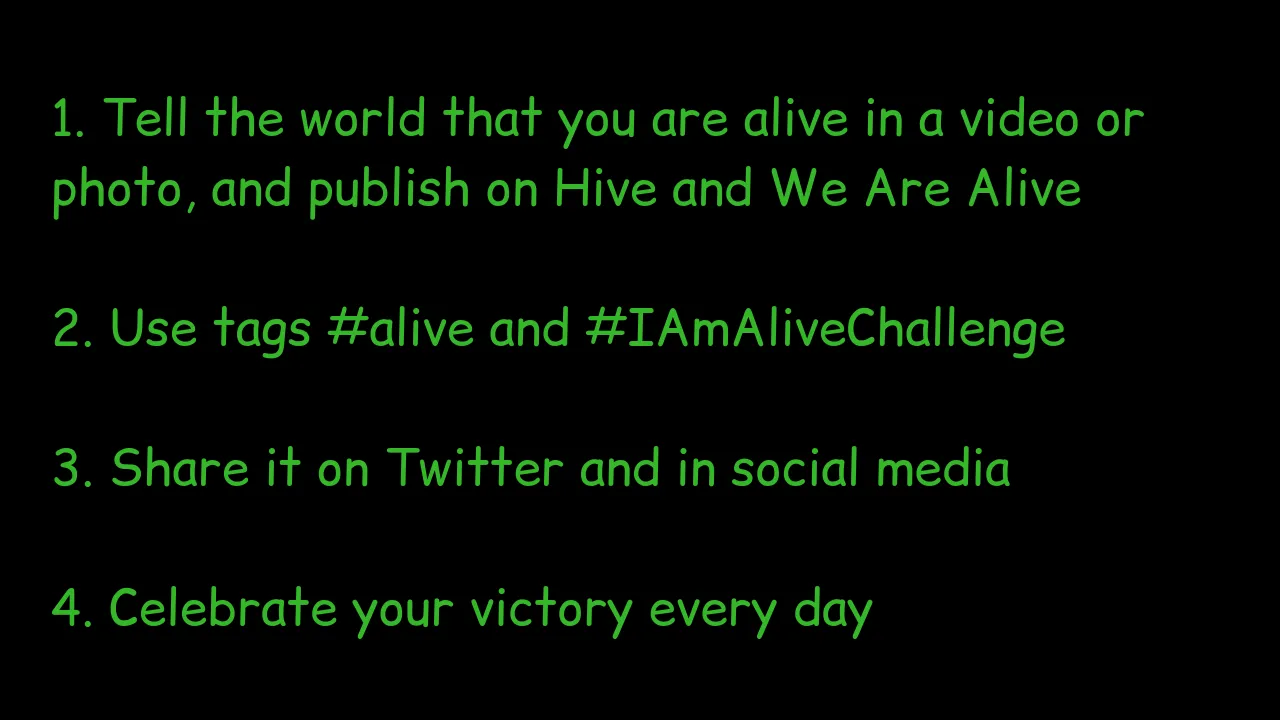
The 4 points to join the #IAmAliveChallenge, includes using the hashtag #alive to post to We Are Alive Tribe and earn ALIVE tokens.
This challenge is an initiative of
The 4 points to join the #IAmAliveChallenge, includes using the hashtag #alive to post to We Are Alive Tribe and earn ALIVE tokens.
Esta publicación, en la #blockchain #Hive, está en la comunidad We Are Alive Tribe, es parte del #IAmAliveChallenge
Este desafío es iniciativa de
Los 4 puntos para unirte al #IAmAliveChallenge, incluyen el uso de la etiqueta #alive para publicar en We Are Alive Tribe y ganar tokens ALIVE.
Este desafío es iniciativa de
Los 4 puntos para unirte al #IAmAliveChallenge, incluyen el uso de la etiqueta #alive para publicar en We Are Alive Tribe y ganar tokens ALIVE.