
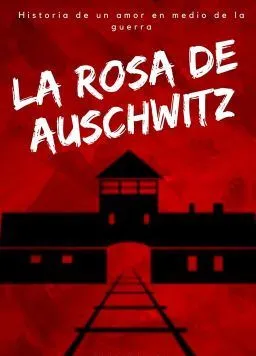
Image designed by me in Canva

A la mañana siguiente, todos despertaron muy temprano, en especial los gemelos que corrieron al árbol de navidad para buscar los regalos prometidos la noche anterior. Hanna rebuscó entre las cajas con los nombres.
—¡A ver! Éste es para ti, Jared y este otro para Joshua.
Era un llamativo muñequito montado sobre una plataforma con ruedas, tenía unos palillos en las manos y cuando se jalaba el cordel que estaba atado a la plataforma con ruedas, se activaba un mecanismo que provocaba que el hombrecito tocara un xilófono.
Cada gemelo recibió uno exactamente igual para que no hubiese conflictos entre ellos, y además recibieron un par de aviones cada uno. Estaban locos de felicidad con sus regalos, tanto que no dejaban de saltar por toda la casa.
—Es una hermosa tradición, muchas gracias por estos guantes y la bufanda —dijo Joseph refiriéndose a sus regalos—, pero me siento avergonzado porque nosotros no hemos comprado nada para ustedes.
—No tenían que hacerlo —respondió Franz—, además el mejor regalo que los Eisenberg les ha dado a los Müller es su presencia en esta casa y la gran amistad que nos une.
—La verdad es que, en medio de todo este caos, de todo lo que hemos perdido y de la incertidumbre de los días que tenemos por delante, no dejo de sentirme afortunado por haberlos conocido —comentó Benjamin.

A kilómetros de allí, en el campo de concentración Sachsenhausen, muchos judíos, comunistas y prisioneros soviéticos no la pasaban bien en lo absoluto. Detrás del alambre de púas se vivía una realidad muy diferente a la que vivían los Eisenberg, Los Müller y muchas otras familias que todavía disfrutaban del calor de un hogar en todos los sentidos de la palabra.
El comandante del lugar era cruel, despiadado y tenía a su mando a oficiales de la misma calaña, entre ellos a Dedrick Schneider que cada vez se volvía más malvado, frío y déspota, disfrutaba realmente de su trabajo y lo tomaba en muchas ocasiones como una diversión.
—¡Oye tú! ¡Sí, tú! —le gritó a uno de los hombres que llevaba varias piezas de hierro en una carretilla. El hombre la llevaba con dificultad no solo por el peso, sino porque la nieve y el frío entorpecían la marcha.
El hombre se detuvo enseguida, temeroso de lo que pudiera pasarle.
—¿A dónde llevas eso? —preguntó Schneider con voz autoritaria.
—A fundición, señor.
—De acuerdo —respondió el uniformado con un falso tono indulgente—, pero tengo una urgencia, quiero fumar y no tengo fuego ¿tendrías la bondad de conseguirme una caja de fósforos o un encendedor?
—¡Vamos, Dedrick! Deja que el judío trabaje, necesitamos ese metal fun... —dijo uno de sus compañeros riendo, pero Schneider lo interrumpió levantando la mano derecha abruptamente.
—¡Shhh! Déjamelo a mí —dijo y luego se dirigió al hombre de la carretilla—. ¿Estás sordo, maldito perro judío? ¡Trae lo que te pedí!
El hombre abandonó la carretilla para salir corriendo en dirección a las barracas de cocina mientras Schneider prendía su cigarrillo con un encendedor plateado que tenía una esvástica grabada y el emblema del Reich. Este gesto provocó la risa de todos a su alrededor.

Cuando el prisionero regresó llevando consigo la caja de fósforos, trató de ignorar el cigarro encendido que sobresalía de entre los labios del oficial, pero no pudo hacerlo, lo miró de reojo antes de bajar la cabeza nuevamente, sin saber si entregar los cerillos o no. Finalmente optó por la primera opción, así que extendió la mano para ofrecer la caja. Un viento gélido lo hizo estremecerse.
—Muchas gracias por colaborar conmigo —comentó el uniformado después de sacarse el cigarrillo de la boca—. ¡Qué tonto soy! Había olvidado que llevaba conmigo uno de estos —dijo enseñándole el encendedor—. Tienes frío, ¿eh?
El hombre respondió con un asentimiento y Schneider tomó la caja de cerillos que le ofrecía, por lo tanto el prisionero comenzó a bajar la mano.
—¡Eh! ¡Déjala ahí! —ordenó Schneider mientras los demás oficiales observaban con curiosidad y el hombre con nerviosismo—. Es una crueldad que tengas que pasar el invierno llevando solo ese feo uniforme a rayas y esos zuecos de madera, por eso no me sorprende que tengas tanto frío, pero no te preocupes que yo puedo resolverlo.
—¡Ahhhhhhh! —gritó el hombre cuando Schneider restregó la parte encendida de lo que quedaba del cigarrillo en la palma de su mano.
Por instinto el prisionero puso la palma herida sobre la nieve para intentar calmar el dolor, mientras Schneider y los demás oficiales se alejaban en medio de carcajadas.
—¡Bravo, Dedrick! El comandante del campo no tardará en nombrarte su ayudante.
—No lo sé... ¿No les da un poco de pena lo que acaba de pasar? Es decir, ellos no nos han hecho nada —comentó otro de los oficiales.
Schneider se detuvo y lo miró con incredulidad.
—¿Pena? ¿Qué sucede contigo, Adler? Un soldado jamás debe sentir pena por nadie y eso deberías saberlo, además, alegas que no nos han hecho nada pero te diré que han hecho las ratas que tenemos en este campo —dijo Dedrick y luego comenzó a enumerar con los dedos—: Los comunistas son una terrible amenaza para el Reich porque intentan infectar las mentes de nuestros ciudadanos con sus malditas ideas de igualdad, los soviéticos (que al fin y al cabo son la misma cosa) han estado exterminando a nuestra gente para intentar quedarse con nuestra nación, pero los sucios judíos han sido los peores porque no solo han proliferado como ratas, sino que muchos de ellos han mezclado su sangre con la de nuestra gente ¿lo entiendes? Eso es una abominación, Adler. Tienen los genes de la codicia, la manipulación y la intriga, por su culpa perdimos la guerra. ¿Acaso no has leído la autobiografía del Führer?
—Sí, Dedrick, desde luego que sí...
—Jamás vuelvas a decir una cosa tan absurda como esa o podrían pensar que eres un traidor.
Los días sucesivos, los Müller y los Eisenberg convivieron en perfecta armonía, sin nada que los perturbara, incluso dejaron de escuchar noticias perturbadoras por la radio y lo único que de cierta forma mantenía incómoda a la familia judía eran la falta de información por parte de las embajadas, y el hecho de permanecer desempleados, incluso se ofrecieron a hacer uso de los ahorros que habían logrado rescatar para colaborar con su manutención, pero sus anfitriones se negaron rotundamente.
—Somos demasiados, Franz —alegó Joseph.
—Hasta ahora nos va muy bien con el restaurante, así que no tienes de qué preocuparte —respondió su amigo.
—Es que... ¡Cielos! Nos sentimos tan inútiles —añadió Noah—, sobre todo yo que debería ser el proveedor de mi esposa e hijos.
—¿Y si conseguimos un trabajo? —propuso Judith.
—Te pedirán la identificación y no creo que te vaya muy bien al saber que eres judía —intervino su suegra Deborah.
—¡Cielos! De haber sabido esto hubiésemos acompañado a mis padres en su viaje a Brasil —se lamentó Judith mientras miraba a sus hijos jugar con los aviones de juguete por todo el salón, completamente ajenos a la conversación de los adultos.
—Hace cinco años no habríamos imaginado que las cosas llegarían a este punto —respondió su esposo.
—La guerra puede estallar en cualquier momento —analizó Joseph con un semblante preocupado mientras veía jugar a los nietos con sus nuevos juguetes.
En Berlín reinaba una aparente calma que quitaba crédito a las palabras de Joseph, no obstante a medida que los meses pasaban, la situación se ponía peor e incluso las embajadas dieron la lamentable noticia de que ya no recibiría a nadie, debido a que lo que tanto temían finalmente sucedió.
La unión Soviética y Alemania firmaron un pacto el veintitrés de agosto de 1939 en la ciudad de Moscú, al que llamaron «Pacto Ribbentrop - Mólotov». Éste contenían cláusulas de no agresión mutua, también se comprometían a no apoyar a un tercer país que pudiera atacar a cualquiera de las partes del pacto, a continuar las negociaciones acerca de los temas de interés común, y prohibía tajantemente unirse a potencias que pudieran amenazar de alguna forma a cualquiera de las partes

Stalin, líder de la Unión Soviética, firmó el acuerdo en aras de ganar tiempo para reconstruir su ejército que estaba bastante disminuido, así que mandó a detener la propaganda contra el fascismo, pero los comunistas tanto de la Unión Soviética como de Francia y el Reino Unido, se sintieron defraudados ante esta resolución, estaban indignados y no estaban dispuestos a fraternizar con el bando enemigo, preferían morir que ayudar en sus propósitos a los fascistas. A su vez estos últimos también estaban desencantados con sus líderes, a propósito del convenio por la misma razón, no soportaban la idea de pactar con los enemigos comunistas. Nadie de hecho podía concebir la idea de que dos naciones tan enfrentadas pudieran haber llegado a una conciliación, mucho menos después de que Stalin hubiese intentado durante largo tiempo lograr una alianza con el Reino Unido y Francia en detrimento del Reich alemán.
Pero los acuerdos firmados en este pacto que se suponía debía durar diez años, no serían cumplidos pues el Führer, junto con su amigo el dictador italiano Benito Mussolini, planeaba ir ocupando territorios de toda Europa, mientras tanto el emperador japonés Hiroshito buscaba apoderarse de china y posiblemente de todos los países asiáticos. Toda esta situación generó una enorme tensión en el mundo y los periódicos se llenaban con escandalosos titulares que anunciaban el posible estallido de una segunda guerra mundial.
Finalmente el primero de septiembre de 1939, Alemania invadió Polonia y después atacó a Dinamarca y Bélgica como preámbulo de nuevos ataques a otros países, pues pensaba adueñarse también de Gran Bretaña y Francia.

—¡Alemania invadió Polonia! —gritaba un niño en las calles con una pila de periódicos bajo el brazo izquierdo y un ejemplar en la mano derecha.
El tono de su voz era potente y al mismo tiempo indiferente, su mayor interés era vender tantos ejemplares como pudiera, pero era evidente que el pobre muchacho ignoraba la magnitud de la gravedad de la noticia que anunciaba.
—¿Qué dijo? —preguntó Angelika aterrada mientras se asomaba a la calle con la esperanza de haber escuchado mal.
—¡Lo sabía! —expresó Joseph suspirando pesadamente.
Benjamin se apresuró a encender la radio y en efecto todas las estaciones hablaban del mismo tema.
—¿Acaso esta pesadilla no terminará nunca? —preguntó Judith.
—Querida, creo que esto recién comienza —respondió su esposo.
—Querida, creo que esto recién comienza —respondió su esposo.
Hanna estaba en la escuela cuando escuchó a sus colegas comentando la última noticia.
—¡Por Dios santo! —exclamó llevándose las manos a la cabeza—. No puede ser posible. Polonia reaccionará con hostilidad. ¿Qué será de nosotros entonces?
—¿Y si nos declaran la guerra? ¿Y si perdemos de nuevo? —preguntó una de sus colegas más para sí misma, pensando en su esposo e hijos—. No podemos...
—¡No! ¡Ni lo menciones, Helga! Los soviéticos nos harían pedazos —respondió otro profesor.
—Ellos y los franceses, los ingleses... todos los que están en contra nuestra —añadió otro de ellos.
—¡No! Tenemos también a Japón e Italia de nuestro lado —comentó con esperanza otro de los profesores—. ¿Dónde está la fe que se supone deberían tener en el ejército de nuestro Reich? Deberían avergonzarse de sí mismos ¡Miedosos!
—¿No se dan cuenta de lo que están diciendo todos ustedes? Se supone que había un tratado de por medio. Los soviéticos reaccionarán y en efecto puede estallar la guerra en cualquier momento —se quejó Hanna—, pero en una guerra no hay vencedores, solo muerte y desolación.
Los niños comenzaron a entrar en las aulas y por lo tanto la conversación terminó. Hanna se dispuso a hacer de tripas corazón para olvidarse de la preocupación porque no quería transmitirles sus sentimientos a los estudiantes, pero por dentro estaba aterrorizada. Ese tratado entre ambos imperios era su esperanza para la paz. ¡Dios! había sido tan ingenua al creer que pronto toda esa pesadilla terminaría, que finalmente Benjamin y ella podría casarse como era su sueño y juntos construir un hogar para convivir en un mundo en condiciones para ellos...
Alemania invadió Polonia.... Alemania invadió Polonia
Era el único pensamiento en su mente en ese momento a pesar de los esfuerzos por concentrarse en la instrucción del alfabeto.
¿Qué sería de los polacos? ¿Habrían perecido muchos de ellos en su intento por salvaguardar sus fronteras? ¿Qué sucedería con los niños, con las mujeres, los hombres y los ancianos?
—¡Fräulein Müller! —la llamó uno de los niños mientras le picaba la cintura con la yema de los dedos para intentar llamar su atención—. ¿Está bien así? —preguntó mostrándole el cuaderno donde había copiado las letras que ella había escrito en el pizarrón.
—¿Eh? —preguntó ella un poco desconcertada, mirando hacia abajo para encontrarse con los grandes ojos azules del pequeño—. ¡Ah! Disculpa, cielo. Está hermoso pero recuerda que debes colocar la diéresis sobre las letras ä y la ö ¡Ah! y esta última es más redonda.
Al terminar la jornada en el colegio, cuando Hanna se dirigió al restaurante notó que había mucha tensión en las calles, algo parecido al preámbulo de la Noche de los Cristales Rotos, incluso hubo poca afluencia de comensales en el restaurante, por lo que tuvieron que cerrar temprano, cosa que agradecieron porque dadas las circunstancias era mejor estar en casa.
Un par de días más tarde, en efecto ocurrió lo que más se temía. El tres de septiembre de 1939 Francia e Inglaterra declararon la guerra a Alemania con la excusa de cumplir con el compromiso ineludible que tenían de resguardar la soberanía polaca.
Con su acto beligerante, Hitler no solo había roto el pacto Ribbentrop - Mólotov (casi recién firmado) sino también con el tratado de Versalles, firmado al término de la primera Guerra mundial.
En respuesta, la Unión Soviética también invadió el territorio polaco por el este, el diecisiete de septiembre. De esta forma, entre invasiones y amenazas comenzó a gestarse lo que sería el mayor conflicto bélico en la historia de la humanidad.
—¡Extra! ¡Estalló la guerra! —ése era el grito del muchacho del periódico esta vez.
Ahora había un matiz lúgubre en el tono de su voz, como si de cierta forma estuviese anunciando también su propia sentencia de muerte.
—No podemos hacer nada —masculló con impotencia Joseph, golpeando el aire con el puño—. Lo peor está por venir y nosotros no pudimos abandonar el país.
Hanna se abrazó por instinto a Benjamin que la contuvo con ternura. Todo lo que soñaron para los dos y sus familias se estaba viniendo abajo sin misericordia.
—¡Cielo santo! ¿Y si te vienen a buscar para que sirvas en el frente como en la primera guerra? —le preguntó Angelika a su marido.
—Debo estar preparado para eso, querida porque normalmente buscan a los hombres de cada familia.
—¡No! —exclamó Hanna aterrorizada con la idea, soltando a Benjamin para arrojarse a los brazos de su padre.
La pobre chica estalló en un mar de lágrimas que venía conteniendo desde hacía mucho, se sentía estresada, desesperada con tanta información y especulaciones que llegaban por todas partes. Su imaginación comenzó a volar muy rápido, visualizando cosas horribles a propósito de lo que se contaba de la guerra anterior. Sabía que incluso su abuelo, Braun Müller, padre de Franz había muerto acribillado en el frente de batalla con solo cuarenta y nueve años y Hanna no soportaba la idea de que su padre tuviera el mismo destino, él era un hombre sediento de justicia como ella, pero era un hombre de paz, odiaba los conflictos y siempre buscaba una manera de conciliar, de hecho su participación en la guerra anterior afortunadamente solo consistió en cocinar para las tropas, debido a su talento innato para las artes culinarias y a su certificación como Chef.
—¡Descuida, Hanni! —dijo su padre estrechándola contra su pecho—. No nos adelantemos a los acontecimientos, ¿eh?
—¡No quiero que vengan aquí, papá! ¡No quiero que te lleven!.... ¿Y qué será de los Eisenberg? ¡No!... ¡No quiero que haya guerra!
¡Extra! ¡Estalló la guerra! ¡Estalló la guerra! ¡Extra!
—¡Por Dios! ¡Que alguien calle a ese estúpido mocoso! —exclamó Angelika tapándose los oídos.
—Hanni, no nos adelantaremos, ¿sí? Esto solo está comenzando y ya veremos más adelante que sucede —repitió su padre—. No te preocupes por lo que todavía no pasa, hay que vivir el presente, ¿de acuerdo? Además solo tienes diecinueve años, no querrás arrugarte siendo tan joven.
Su comentario le arrancó una sonrisa a la muchacha.
—Discúlpenme por perder el control —se excusó la mujer mientras se secaba las lágrimas—. Afortunadamente los niños están durmiendo.
—No te preocupes, esta situación haría perder el control a cualquiera —contestó Benjamin acercándose a ella para contenerla nuevamente.
—¡Bueno ya! Franz tiene razón, no debemos adelantarnos a los acontecimientos —dijo Angelika secándose las lágrimas también—. Así que ya basta, seguiremos nuestra vida como siempre, como si no ocurriera nada. Debemos tener mucha fe en Dios, todo esto pasará pronto.
La mujer se dirigió hacia el tocadiscos para reproducir una melodía alegre y aunque la tensión pareció distenderse un poco, cada quién de cierta forma continuaba pensando en el hecho.
—Tengo miedo, cielo —confesó Hanna—, tengo miedo de que obliguen a papá a servir al ejército y también de que te hagan daño.
—Eso no va a ocurrir, mi amor —afirmó Benjamin con vehemencia—, quizá derroten al Führer mucho antes de lo que esperan —en este punto se encogió de hombros y continuó—: en realidad él no se lo espera en lo absoluto pero sus enemigos no son pocos y estoy seguro de que lo derrotarán, solo entonces podremos alcanzar la paz.
—Cariño, la paz no puede ser alcanzada con una escalera de sangre —razonó Hanna—. En una guerra son muchos los inocentes que mueren antes de que alguna de las partes capitule, ése es mi temor.
—Tranquila, amor, nos tenemos el uno al otro, estamos aquí todos juntos y mientras sea así seremos fuertes.
Eso era verdad, la guerra había estallado y el panorama no era demasiado alentador, pero las últimas palabras de Benjamin aunadas a las de Franz, le trajeron un poco de tranquilidad al atribulado corazón de Hanna. Mientras estuviesen juntos, la guerra sería más llevadera, pero había una pregunta flotando en el espacio... ¿Por cuánto tiempo estarían juntos?
Eso es todo por este capítulo, amigos, muchas gracias por leer, espero que estén disfrutando de esta novela. Hasta la próxima.

Image designed by me in Canva
| Capítulos anteriores/ Previous chapters | ||
|---|---|---|


The next morning, everyone woke up very early, especially the twins who ran to the Christmas tree to look for the presents promised the night before. Hanna rummaged through the boxes with the names.
"This one is for you, Jared, and this one is for Joshua".
It was an eye-catching little doll mounted on a wheeled platform, he had sticks in his hands and when the string attached to the wheeled platform was pulled, it activated a mechanism that caused the little man to play a xylophone.
Each twin received one exactly the same so that there would be no conflict between them, and they also received a pair of aeroplanes each. They were so happy with their presents that they were jumping all over the house.
"It's a lovely tradition, thank you very much for these gloves and the scarf" said Joseph, referring to his gifts, "but I feel ashamed because we didn't buy anything for you".
"Besides, the best gift the Eisenbergs have given the Müller family is their presence in this house and the great friendship that unites us".
"The truth is, in the midst of all this chaos, all that we have lost and the uncertainty of the days ahead, I can't help but feel lucky to have met you" Benjamin commented.
Miles away, in the Sachsenhausen concentration camp, many Jews, communists and Soviet prisoners were not having a good time at all. Behind the barbed wire, the reality was very different from that of the Eisenbergs, the Müllers and many other families who still enjoyed the warmth of a home in every sense of the word.
The commander of the place was cruel, ruthless and had officers of the same ilk under his command, among them Dedrick Schneider who was becoming more and more evil, cold and despot-like, really enjoyed his work and often took it as an entertainment.
"Hey, you! Yes, you!" he shouted to one of the men who was carrying several pieces of iron in a wheelbarrow. The man was carrying it with difficulty, not only because of the weight, but also because the snow and the cold hampered his progress.
The man stopped at once, fearful of what might happen to him.
"Where are you taking that?" Schneider asked in an authoritative voice.
"To the foundry room, sir".
"All right," replied the uniformed man in a mock indulgent tone "but I have an emergency, I want to smoke and I have no fire, would you be so kind as to get me a box of matches or a lighter?"
"Come on, Dedrick!Let the Jew work, we need that molten metal!" said one of his companions, laughing, but Schneider interrupted him by raising his right hand abruptly.
"Shhh! Leave it to me" he said and then turned to the man with the wheelbarrow. "Are you deaf, you fucking Jew? Get what I asked for!"
The man abandoned the wheelbarrow to run off in the direction of the kitchen barracks while Schneider lit his cigarette with a silver lighter bearing an engraved swastika and the Reich emblem. This gesture provoked laughter from everyone around him.
When the prisoner returned carrying the box of matches, he tried to ignore the lit cigarette protruding from between the officer's lips, but was unable to do so, giving him a sidelong glance before lowering his head again, unsure whether to hand over the matches or not. He finally opted for the first option, so he held out his hand to offer the box. An icy wind made him shiver.
"Thank you very much for helping me" said the uniformed man after taking the cigarette out of his mouth. "How silly of me! I forgot I had one of these with me" he said, showing him the lighter. "You're cold, aren't you?"
The man responded with a nod and Schneider took the box of matches he offered him, whereupon the prisoner began to lower his hand.
"Hey, leave it there!" Schneider ordered as the other officers looked on curiously and the man nervously. "It's cruel that you have to spend the winter wearing only that ugly striped uniform and those wooden clogs, so I'm not surprised you're so cold, but don't worry, I can sort it out".
"Ahhhhhhhhh!" the man shouted as Schneider rubbed the cigarette in the palm of his hand.
Instinctively, the prisoner placed his injured palm on the snow to try to relieve the pain, while Schneider and the other officers walked away in laughter.
"Bravo, Dedrick! It won't be long before the camp commander makes you his deputy".
"I don't know... Don't you feel a bit sorry for what just happened? I mean, they haven't done anything to us," commented another of the officers.
Schneider stopped and looked at him in disbelief.
"To feel sorry? What's the matter with you, Adler? A soldier should never feel sorry for anyone and you should know that, besides, you claim they haven't done anything to us but I'll tell you what the rats we have in this camp have done" Dedrick said and then began to list them on his fingers: "The Communists are a terrible threat to the Reich because they try to infect the minds of our citizens with their damned ideas of equality, the Soviets (who are after all the same thing) have been exterminating our people to try to take over our nation, but the filthy Jews have been the worst because not only have they proliferated like rats, but many of them have mixed their blood with that of our people, do you understand? That is an abomination, Adler. They have the genes of greed, manipulation and intrigue, because of them we lost the war. Haven't you read the Führer's autobiography?"
"Yes, Dedrick, of course I have"....
"Don't ever say anything as absurd as that again or they might think you're a traitor".
In the days that followed, the Müllers and the Eisenbergs lived together in perfect harmony, with nothing to disturb them, they even stopped listening to disturbing news on the radio, and the only thing that kept the Jewish family somewhat uneasy was the lack of information from the embassies, and the fact that they were still unemployed, they even offered to make use of the savings they had managed to salvage to help support themselves, but their hosts flatly refused.
"There are too many of us, Franz," said Joseph.
"So far we're doing very well with the restaurant, so you have nothing to worry about" his friend replied.
"It's just that... My goodness! We feel so useless" Noah added "especially me who should be the provider for my wife and children".
"What if we got a job?" Judith proposed.
"They'll ask you for identification and I don't think you'll do very well knowing you're Jewish" interjected her mother-in-law Deborah.
"Oh, my goodness! If we had known this, we would have accompanied my parents on their trip to Brazi," Judith lamented as she watched her children play with the toy planes around the room, completely oblivious to the adults' conversation.
"Five years ago we wouldn't have imagined things would come to this" her husband replied.
"War could break out at any moment" Joseph said with a worried look on his face as he watched the grandchildren play with their new toys.
In Berlin there was an apparent calm that belittled Joseph's words, but as the months went by, the situation got worse and even the embassies gave the unfortunate news that they would no longer receive anyone, because what they feared so much had finally happened.
The Soviet Union and Germany signed a pact on 23 August 1939 in Moscow, which they called the "Ribbentrop-Molotov Pact". It contained mutual non-aggression clauses, also committed not to support a third country that might attack either party to the pact, to continue negotiations on matters of common interest, and strictly forbade joining powers that might threaten either party in any way.
Stalin, the leader of the Soviet Union, signed the agreement in order to gain time to rebuild his army, which was quite diminished, so he ordered to stop the propaganda against fascism, but the communists in the Soviet Union as well as in France and the United Kingdom, were disappointed by this resolution, they were indignant and were not willing to fraternise with the enemy side, they preferred to die than to help the fascists in their aims. The fascists in their turn were also disenchanted with their leaders about the agreement for the same reason, they could not bear the idea of making a pact with their communist enemies. No one in fact could conceive of the idea that two nations so opposed to each other could have reached a conciliation, much less after Stalin had long sought an alliance with the United Kingdom and France to the detriment of the German Reich.
But the agreements signed in this pact, which was supposed to last for ten years, would not be fulfilled because the Führer, together with his friend the Italian dictator Benito Mussolini, planned to occupy territories all over Europe, while the Japanese emperor Hiroshito sought to take over China and possibly all the Asian countries. The whole situation created enormous tension in the world, and the newspapers were filled with scandalous headlines announcing the possible outbreak of a second world war.
Finally, on September 1st 1939, Germany invaded Poland and then attacked Denmark and Belgium as a preamble to further attacks on other countries, as it planned to take over Britain and France as well.
"Germany invaded Poland!" shouted a boy in the streets with a stack of newspapers under his left arm and a copy in his right hand.
The tone of his voice was powerful and at the same time indifferent, his main interest was to sell as many copies as he could, but it was evident that the poor boy was unaware of the magnitude of the seriousness of the news he was announcing.
"What did he say?" Angelika asked, terrified as she peered out into the street, hoping she had misheard.
"I knew it!" said Joseph, sighing heavily.
Benjamin hurried to turn on the radio and indeed all the stations were talking about the same subject.
"Will this nightmare never end?" Judith asked.
"My dear, I think this is just the beginning" replied her husband.
Hanna was at school when she overheard her colleagues commenting on the latest news.
"For God's sake! It can't be possible" she said "Poland will react with hostility. Poland will react with hostility. What will become of us then?"
"What if they declare war on us? What if we lose again?" asked one of her colleagues more to herself, thinking of her husband and children. "We cannot"....
"No! Don't mention it, Helga! The Soviets would tear us to pieces" replied another teacher.
"They and the French, the English... all those who are against us" added another of them.
"No! We have Japan and Italy on our side too" commented another of the teachers hopefully. "Where is the faith you are supposed to have in the army of our Reich? You should be ashamed of yourselves, you fearful!"
"Don't you realise what you are all saying? There was supposed to be a treaty involved. The Soviets will react and war may indeed break out at any moment" Hanna complained "but in a war there are no winners, only death and desolation".
The children began to enter the classrooms and so the conversation ended. Hanna willed herself to try her best to forget the worry because she didn't want to convey her feelings to the students, but inside she was terrified. This treaty between the two empires was her hope for peace. God! she had been so naive to believe that soon this whole nightmare would end, that finally Benjamin and she could marry as she had dreamed and together build a home to live in a world fit for them....
Germany invaded Poland.... Germany invaded Poland
It was the only thought on her mind at the moment despite her efforts to concentrate on alphabet instruction.
What would become of the Poles, would many of them have died in their attempt to safeguard their borders, what would happen to the children, the women, the men and the elderly?.
"Fräulein Müller!" one of the boys called out to her as he poked her waist with his fingertips in an attempt to get her attention. "Is it all right how I did it," he asked, showing her the notebook where he had copied the letters she had written on the blackboard.
"Huh?" she asked a little puzzled, looking down to meet the little boy's big blue eyes. "Ah! Excuse me, honey. It's beautiful, but remember to put the umlaut over the letters ä and ö. Ah! And the latter is rounder".
At the end of the day at school, when Hanna went to the restaurant, she noticed that there was a lot of tension in the streets, something like the preamble to Kristallnacht, and there was even a small number of diners in the restaurant, so she and her father had to close early, which they were grateful for, because under the circumstances it was better to be at home.
With his belligerent act, Hitler had broken not only the Ribbentrop-Molotov Pact (almost recently signed) but also the Treaty of Versailles, signed at the end of the First World War.
In response, the Soviet Union also invaded Polish territory from the east on 17 September. Thus, between invasions and threats, what was to become the greatest war in human history began to take shape.
"Extra! War has broken out!" said the newspaper boy this time.
Now there was a mournful tone to his voice, as if in a way he was also announcing his own death sentence.
"There's nothing we can do" Joseph muttered helplessly, punching the air with his fist. "The worst is yet to come and we couldn't leave the country".
Hanna instinctively hugged Benjamin, who held her tenderly. Everything they had dreamed of for both of them and their families was mercilessly falling apart.
"I must be prepared for that, my dear, because they usually look for the men of each family".
"No!" exclaimed Hanna, terrified by what her father said, letting go of Benjamin and throwing herself into her father's arms.
The poor girl burst into a sea of tears that she had been holding back for so long, feeling stressed, desperate with so much information and speculation coming in from all sides. Her imagination began to run wild, visualizing horrible things from the stories of the previous war. She knew that even her grandfather, Braun Müller, Franz's father, had been shot dead on the front lines at the age of forty-nine and Hanna could not bear the thought of her father meeting the same fate, he was a man thirsty for justice like her, but he was a man of peace, he hated conflict and was always looking for a way to reconcile, in fact his participation in the previous war fortunately only consisted of cooking for the troops, due to his innate talent for the culinary arts and his certification as a Chef.
"Don't worry, Hanni!" said her father, holding her close to his chest "Everything it's going to be alright"
"I don't want them to come here, Dad! I don't want them to take you!... What about the Eisenbergs? No! I don't want there to be a war!"
"Extra! War has broken out! War has broken out! Extra!"
"For God's sake, somebody shut that stupid boy up!" said Angelika, covering her ears.
"This is just beginning and we'll see what happens later," her father said. "Don't worry about what's not happening yet, you have to live in the present, okay? Besides, you're only nineteen, you don't want to shrivel up when you're so young".
His comment made her smile.
"Forgive me for losing control" the woman excused herself as she wiped away tears. "Fortunately the children are asleep".
"Don't worry, this situation would make anyone lose control" Benjamin replied, approaching her to restrain her again.
"Well, it's over! Franz is right" said Angelika, wiping away her tears too. "So that's enough, we'll go on with our lives as usual, as if nothing had happened. We must have great faith in God, all this will soon pass".
The woman turned to the record player to play a lively tune and although the tension seemed to ease a little, everyone somehow continued to think about the event.
"I'm afraid, honey" Hanna confessed "I'm afraid they'll force daddy to serve in the army, and I'm afraid they'll hurt you".
"That's not going to happen, my love" Benjamin said vehemently "they may defeat the Führer much sooner than they expect" he shrugged and continued "he doesn't really expect it at all, but his enemies are not few in number and I'm sure they will defeat him, only then can we achieve peace".
"Peace cannot be achieved with a ladder of blood" Hanna reasoned. "In a war, too many innocent people die before either side capitulates, that is my fear".
"Calm down, love, we have each other, we're all here together and as long as it be that way, we'll be strong".
That was true, the war had broken out and the outlook was not too encouraging, but Benjamin's last words, together with Franz's, brought a little peace of mind to Hanna's troubled heart. As long as they were together, the war would be more bearable, but there was a question hanging in the air... How long would they be together?
That's all for this chapter, friends, thank you very much for reading, I hope you are enjoying this novel. See you next time.
Image designed by me in Canva.
| Capítulos anteriores/ Previous chapters | ||
|---|---|---|