

The gentle healing & aromatic properties of the rose hip make it a valuable addition to the natural apothecary cabinet.
I do wonder if rose hip wine could be considered medicinal? It is fermented and there's all that vitamin C. Hmmm what do you think? I'll just say yes because I imbibed last night and feel remarkably good.
Regardless of how you feel about rose hip wine there are many wonderful & healthful things you can create with rose hips that range from culinary through to beneficial natural medicinal and skin care. You can harvest your own rose hips or you can purchase them on-line and in health food shops.
Seasonal Options: Hips or Petals ❣
If you happen to be one of the lucky ducks across the pond on the southern hemisphere of this lovely planet, rose hips aren't something you'll be thinking of right now but soon rose petals will start to bloom and yes, there's loads of lovely things you can make with them too. The Forgotten Art of Using Roses In The Kitchen (Recipes Included)covers some ideas that you might enjoy.
For those of us on the Northern Hemisphere with frosty days ahead we turn again to the lovely ripe red rose hips. This is the time of year when they are ready for plucking and transforming into special concoctions to brighten our winter days.
What are Rose hips?
The ‘Hip’ is actually the fruit of the rose and all rose hips are edible as long as they've been picked from plants that have not been chemically treated. You do need to remove the irritating hairs from inside the rose hip so I don't recommend popping one into your mouth and chewing as you'll likely have a scratchy throat and unpleasant experience as a result. It takes a bit of effort to prepare rose hips and often well strained infusions are the easiest way to benefit.

How to harvest Rose Hips
Harvesting can be a prickly affair so wear long sleeves and work with care. Select healthy and bright hips for harvesting. You want to collect hips that are red or mostly red. Green hips are not ripe yet and any with dark black or that look bruised and blemished should be left. Its all about quality.
We always harvest our rose hips the day after first frost. It sweetens and softens them making them much easier to work with. This year frost was really early so I've been up to my elbows in rose hips while also dealing with all the garden stuff.
Nutritional Value of Rose Hips
Rose hips are really very good for supporting our health. They are packed with vitamins, minerals, organic compounds, and other essential nutrients. Some of these beneficial components include vitamin C, A, E, and vitamin B-complex, as well as minerals like calcium, iron, selenium, manganese, magnesium, phosphorous, potassium, sulfur, silicon, and zinc.
Additionally, they contain organic compounds, including lycopene, lutein, pectin and beta-carotene, which are all beneficial to our body. The antioxidant components: flavonoids, phytochemicals, and carotenoids also contribute to the overall health benefits of this fruit.
How to Dry Rose Hips
Drying rose hips does require some effort. Those pesky throat irritating hairs need to be removed in order to use the dried hips in your teas and other creations. This post details the process completely. It's not hard and in my opinion it is well worth the effort.

Rose Hip Tea
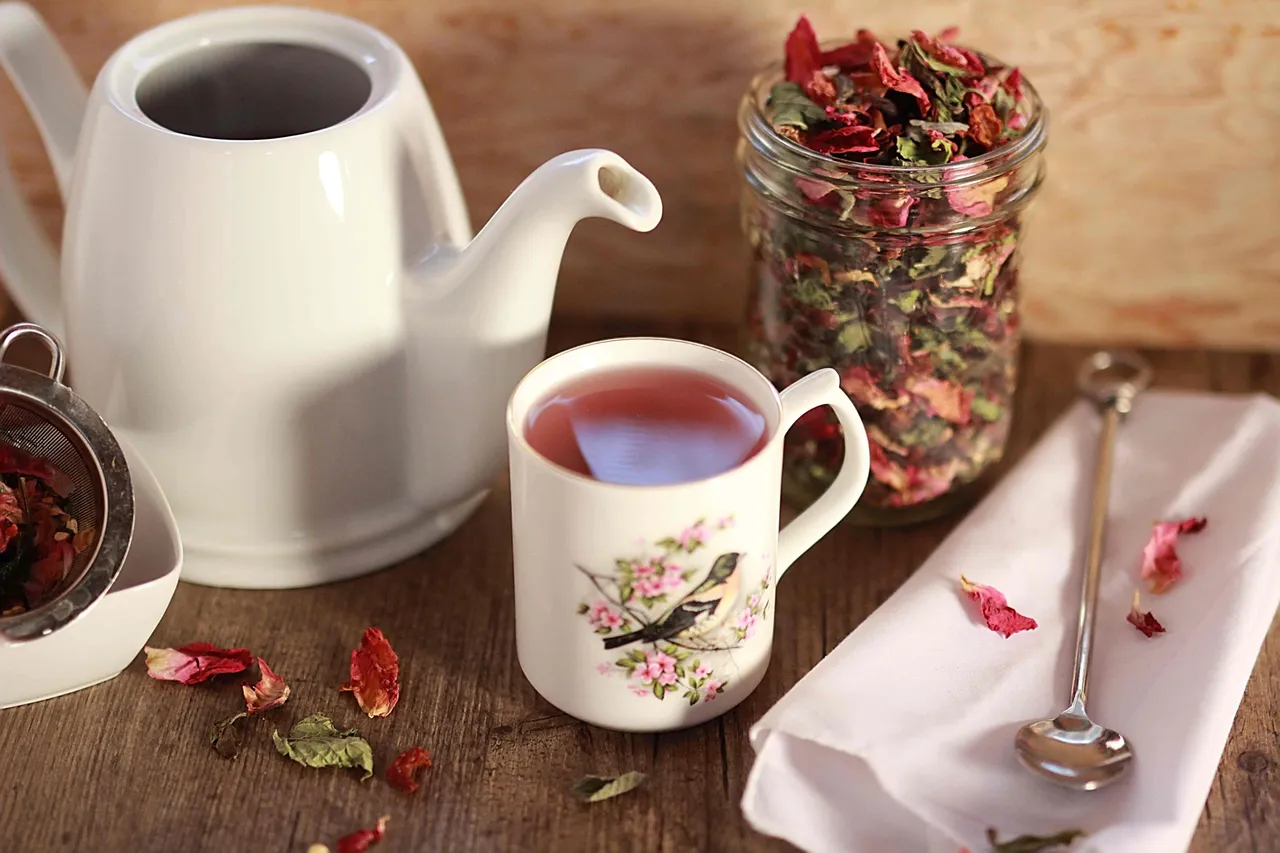
I like to make a tea blend of mint, rose petals and rose hips but you can really mix up any combination of herbs that you like. The aroma and the healthy benefits are quite uplifting and help me through the long Canadian winter. [Here's my post that talks more about what goes into making rose hip tea[(https://steemit.com/homesteadphotography/@walkerland/weeky-homestead-photography-contest-entry-rose-mint-tea).
Rose Hip Wine
If you want to learn how to make this fantastic wine (my favourite) I've written out our recipe in this post. We had to patiently wait one year before we could drink it and although longer is better with these wildcrafted wines, particularly rose hip which two years is recommended - we are already impressed. This morning I've been happily squishing rose hips through my fingers making a pulpy mess so we can make more of this delightful wine.

Rose Hip Vinegar
Of course if you are going to make wine, you might as well make some rose hip wine vinegar too. All it takes is some left over rose hip wine and some time. Pour the left over wine into a glass jar, cover with a cotton cloth or cheese cloth and let it sit - eventually you'll have the best vinegar you've ever had. You can add a splash of your own ACV to accelerate the process. Here's a post that explains more about making your own vinegar.

Rose Hip & Honey Syrup
This is quite an old country recipe, my gran used to take rose hip syrup daily as a child. Back in those days immune boosting home remedies were relied upon heavily to ward off illness. They used sugar as the preservative and I prefer to use honey or maple syrup instead. I haven't made this the same way twice and don't have a tested recipe to share but this recipe is the one that I'll be dabbling with this week.
Rose Hip Oil
I wash my face, moisturise it and sooth sun burn and pretty much every other skin aliment with rose hip oil. It's really a good all-in-one skin product. A lot of people warm the oil on the stove or in a crock put to extract the beneficial ingredients but I prefer to use the power of the sun. I'll write the whole tutorial but essentially you take partially dried out rose hips, fill a jar 3/4 full, cover them in oil (I use jojoba) and let it sit in a sunny window for three weeks. Shake often to make sure nothing spoils and then strain. Its magic.
I should mention that partially dried out means that they've air dried for 3-5 days or tossed in the dehydrator for a while, and are a bit wrinkled and dehydrated. This makes sure there's less chance of bas mouldiness forming from excess water/moisture in the hips.

You can use this oil as a base to make salves and creams, lip balms and well, just about anything you can think of. I make all kinds of things and I'll share some recipes soon. I just have to make them all again this time writing down exactly what I do.
Thoughts on letting the sunshine do the work for you. Solar powered goodness.
Heating the oil low and soil is an option and it works well but it does diminish the quality a bit.
I have adopted a fairly steadfast resolve to do my work the folk medicine way whenever possible. Almost always this involves more time and effort. The benefit is that I focus on and appreciate the craft a lot more when I have my hands and heart right in there. A lot of the things I do focus on gentler approaches.
That said, I think you should follow whichever methods suit you and your lifestyle best. There are many great recipes with alternative methods for achieving these great products! In the end we are all creating a bit of natural magic.

[
Building a greener, more beautiful world one seed at a time.
Homesteading | Wildcrafting | Organic Gardening | Frugal Living | Preserving Food| From Scratch
Cooking|
You can also find me at: walkerland.ca |
Facebook

