
If you have never tasted Tatar food, you should! There are a variety of dishes available, including Chak-chak, Echpochmak, Kystyby, and Paramac. You might even have heard of Chak-chak, but what is it exactly? The food is delicious and unique to Tatars. This article will show you how to make them at home! Once you have mastered the technique, you can start creating your own Tatar meals!
Chak-chak
One of the most popular Tatar and Bashkir dishes is chak-chak. Though the true origins of chak-chak are not known, the dish was most likely chosen by the king of Volgian Bulgaria, who wanted a nutritious yet simple dish to serve his newlywed son. A local shepherd's wife was said to have suggested the dish to the khan, who made it for the couple and served it to the newlyweds.

The basic method of preparing chak-chak is to fry soft dough in oil until golden brown. While the dough is cooking, heat honey and sugar in a double boiler until the sugar dissolves. Meanwhile, toast almonds until golden brown. To serve, place the dough on a plate and pour the hot honey mixture over it. Stir to combine, and then serve. If you are planning on serving the dish to guests, be sure to prepare plenty of extra chak-chak tatar, as this dish is traditionally a must.
Echpochmak
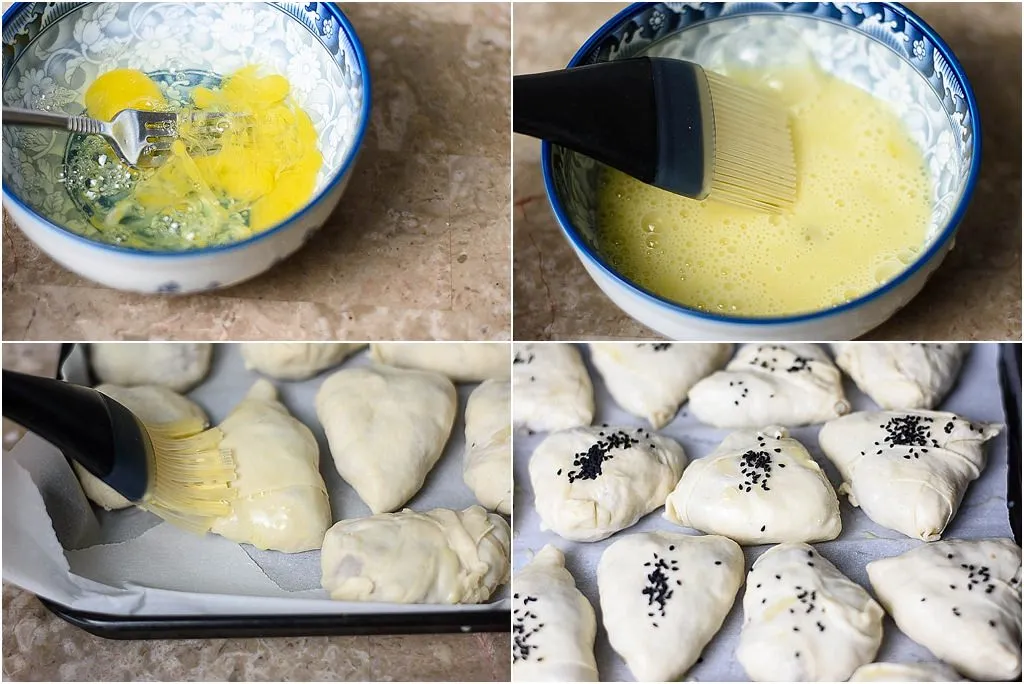
The basic recipe for echpochmak is to make a pastry about 15 cm in diameter and 0.3 to 0.5 cm thick. The dough is then shaped into triangles. Once the dough has risen and the filling is in place, shape the triangles by pinching tightly and then baking at 180 degrees for 20 to 30 minutes. This dish is traditionally eaten as a main course in Kazakhstan, but you can make it vegetarian by using meat mince.

The basic recipe for echpochmaks calls for using a dough with a sour taste and is topped with onion and potatoes. Either meat or vegetable stuffing can be used. It is advisable to use pork since it cooks faster. Either way, the result is tasty! Cooked echpochmaks on kefir are incredibly tasty.
Kystyby
One of the oldest dishes that the Tatars used to eat was a traditional dish known as Kystyby. These dumplings are made with potatoes and spices. They are baked at a temperature of 160 degrees Fahrenheit. They are typically served with tea, and their flavor is enhanced by the butter that is used to make them. Although the recipe for Kystyby is fairly simple, there are some details you should know before you start making it.

The oldest traditional Tatar dish is Kystyby, a flat cake made of unleavened dough that is stuffed with mashed potatoes or a viscous millet porridge. The dough is topped with ghee and served with a vegetable salad. The filling was originally millet, but historians believe the potato filling was added sometime in the twentieth century.
Paramac
A traditional Tatar meal includes a number of different baked items. A traditional ocpocmaq is a triangular-shaped pastry filled with onion and fatty meat. Since the 19th century, potato has been added to the dough. A similar pastry called paramac is a round minced meat pie, served with melted butter. These dishes are very similar to the ciborek of the Crimean Tatars.

Another popular dish is the babka ziemniaczana. Made with eggs, grated potatoes, onions, and flour, babkas are commonly served in Tatar restaurants throughout Russia and the former Soviet Union. Other variations of the pastry are called kryszonka and paramac. These dishes are also very common on the street.
Kalzha
The tastiest of all Kalzha Tatar meals are the stuffed flatbreads, known as kuzikmak. These are flatbreads made of unleavened dough, stuffed with mashed potatoes or millet porridge. The dough is rolled out thinly into a pyramid shape, and boiled until it reaches the right consistency. The savory filling is usually made from mutton or goose.

There are many types of kalzha Tatar meals. Several varieties of pilaw are popular, including Kazan pilaw with boiled meat. Bisbarmaq and qullama are also common dishes. Meat is primarily stored for the winter, but the traditional way to preserve meat is to cure and salt it. Cured goose and duck are particularly prized, and are considered a delicacy. Poultry eggs are another traditional Tatar food, eaten both boiled and fried. Grain is also cooked into various porridges, including kuzhkuma, takhluq, and kubadia.
Kalzha is a steamed meat roll. The traditional Tatar snack of kalzha is made with lamb, beef, or horse meat, and is wrapped in spices. This meat roll is then fried in a pan and served cold. The beef tenderloin, which is often served as a side dish, is made with animal fat and is served in an elongated bowl with onions, carrots, and sour cream.
The steamed meat roll, aka kalzha, is one of the most delicious dishes in Tatar cuisine. To make a kalzha, you need 1 kg of flour, half liter of milk or kefir, an egg, and four tablespoons of sugar. In addition to the flour, you need 70-75 grams of sunflower oil, a teaspoon of dry yeast, and about 700 grams of meat.
Katlama
The typical Tatar meal consists of several different dishes. These include noodle soup, meat with potatoes, gubadiya, sweets, and chak-chak. All of these foods are usually served with tea. Traditional Tatar food is also rich in spices. The main dish consists of meat and potatoes, which are served boiled or fried. Among the side dishes are potatoes or peas, and there are many different types of porridge.

The most common type of katlama is made with ground beef, potatoes, onions, and eggs. It is cooked in a pan over high heat and eaten with fingers. This eating tradition was started by Turkic nomads who did not have cutlery. The ingredients for this dish are ground beef, potatoes, and onions. The mixture is served in a cast-iron cauldron and eaten with the hands.
Katlama is a Tatar manta ray. The Tatars are devoted to manta rays, and the region around the country is a prime location for observing the creatures. These creatures are highly endangered, with a Red List status of "vulnerable." However, their greatest economic value comes from tourism, which brings in more than $27 million per year. Manta rays are also popular with divers, who enjoy seeing the magnificent creatures in their natural habitat.
The Tatar manta ray's name comes from the Turkic language. It is also known as "teharet" or "yuzu tuylu."
Qistibi
Traditional Tatar and Bashkir dishes such as Qistibi are made of an ancient flour product called qistibi. This roasted flatbread is filled with different fillings and served hot. It's also a popular meal for people fasting, and its name derives from Bashkir, meaning "pinch."

Traditional meals are based on meat, vegetables, and grains. Meat is cut into small pieces and usually cooked with vegetables. Boiled potatoes are a favorite side dish and served with horseradish. Traditional tatar dishes include balis and pilaw, the latter being served during dinner parties in the city. Poultry eggs are also a popular part of tatar cuisine, with chicken stuffed with eggs and milk being a special holiday dish.
Sumsa
One of the distinctive characteristics of Sumsa Tatar meals is that they are meat-free. Many people who have never tried Tatar food may not understand what makes them so special. However, these traditional meals are filled with a variety of flavors, from sweet to savory. And the main ingredients are often left-over foods. While the Tatars used leftover meat in their cooking, they also adapted the traditional Ottoman method of preserving meat. Beef and goose were frequently smoked or salted outside of rural buildings.
The high-calorie food in traditional Tatar meals is thought to warm people up in the cold climate. As a result, they tended to prepare these dishes with oil or other fuel. For example, most of the dishes were cooked in ovens during the winter, and without special heating during the summer. In other words, the food had a long history, and was adapted according to its surroundings. Nevertheless, this doesn't mean that they're bad for you.
Posted via foodiesunite.net