
Christmas is coming and German Stollen at Christmas time is a favorite holiday tradition in our family.
With recipes passed from one family to the next, stollens vary from generation to generation, and as families become more culturally diverse it is easy to see how that happens.
The recipe Ella used comes from a Russian language video on YouTube




There are many stollen recipes available online, and many cultures have a similar fruit and nut filled yeast bread.
Fruitcake is traditional throughout the English speaking nations, bolo-rei in Portugal, panettone in Italy, keks in Poland, julekake in Norway, and birnenbrot in Switzerland.


5 Pope's later! No wonder this Holiday treat is treasured!
A History of Stollen
The first and most famous variety of stollen is the Dresdner Christstollen. Some historians date its origin back to 1329 and over the centuries the stollen was refined to become what it is today. And it has come a long way indeed because up until 1650 the stollen was a bland, hard pastry as the use of butter and milk was forbidden during Lent by the Catholic church. It was in this year that Prince Ernst von Sachsen, at the request of the bakers of Dresden, petitioned the pope to lift the butter ban. The request was denied and then, five popes later, the ban was finally lifted in 1490 via the pope’s famous Butterbrief, “butter letter.” Source


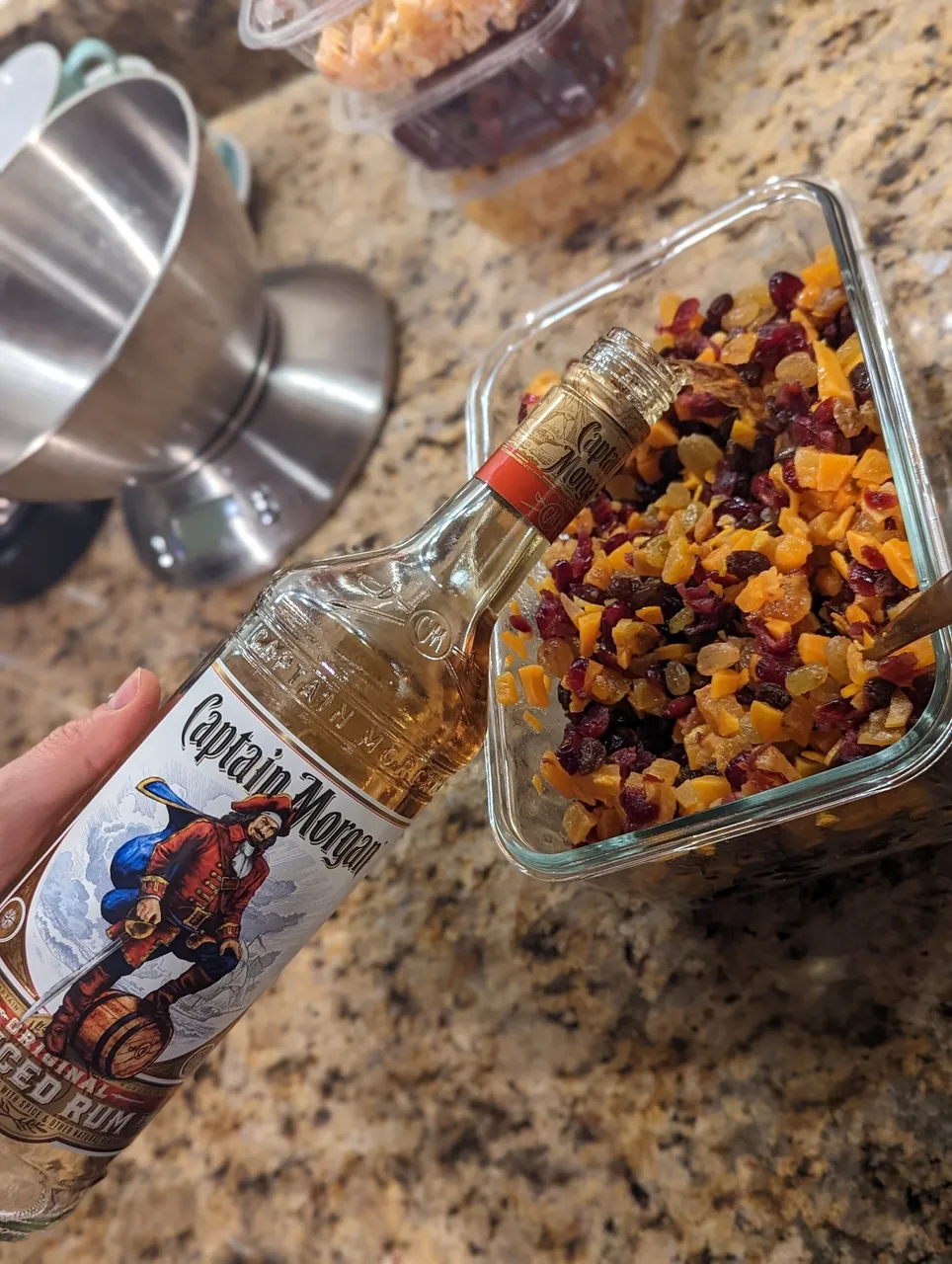
Typically Stollen is wrapped and kept in a cool place to age for 2-3 weeks before eating. The liquid from the rum-soaked dried fruits soaks into the bread creating its festive flavor, but a couple of these loaves did not last long enough to age!

Is there a favorite sweet bread or cake that you look forward to during the winter holidays?

