
Following flax and wheatgrass, turmeric is the third best-selling botanical dietary supplement.

Racking up 12 million dollars in sales increasing at a rate of about 20 percent.
Curcumin is a natural plant product extracted from turmeric root (curcuma longa Linn). It is a common food additive popular for it's pleasant mild aroma and exotic yellow color, which is considered unlikely to cause side-effects.
However, just because something is natural though doesn't necessarily mean it's not toxic.
NOTE: Turmeric and ALL spices should be taken in their natural food form. NOT pills or tablets.
Strychnine is natural, cyanide is natural. Lead, mercury and plutonium are all elements. You can't get more natural than that but turmeric is just a plant - plants can't be dangerous. Can they?
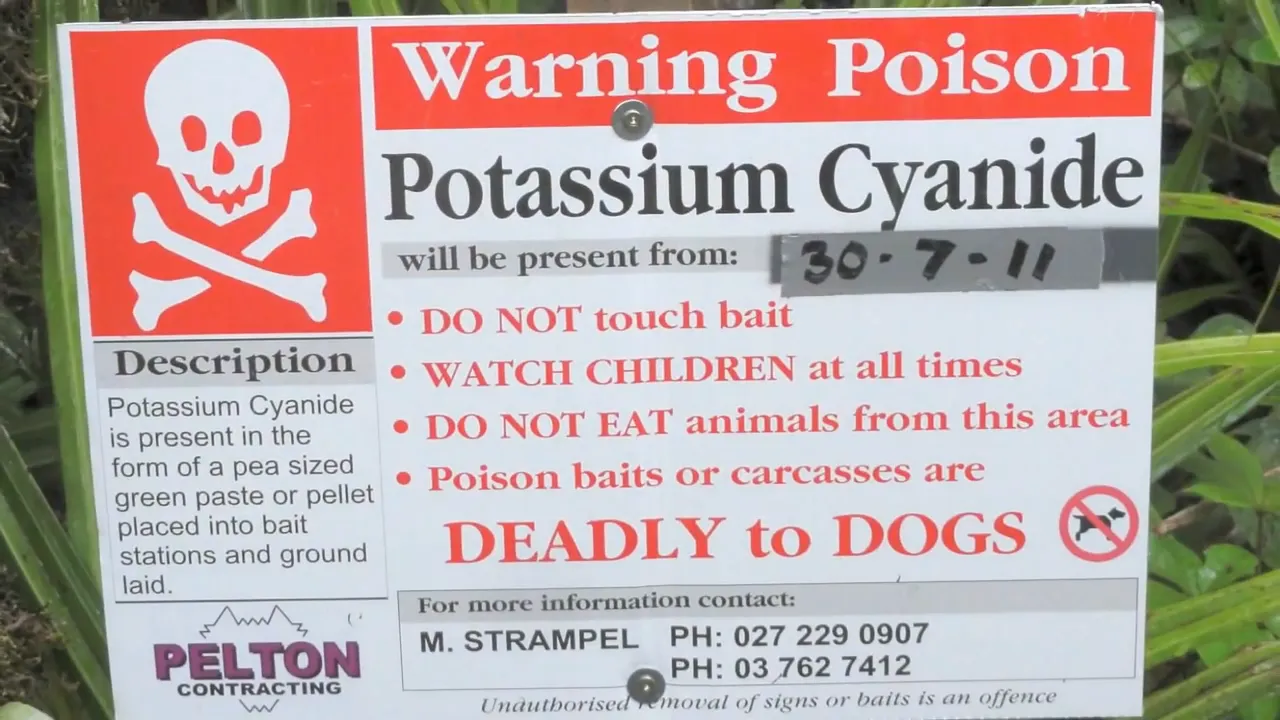
Tell that to Socrates in considering the validity of the widely accepted notion that complementary and alternative medicine is a safer approach to therapy.
We must remind ourselves that a therapy that exerts a biological effect is by definition a drug. It can have toxicity.

It cannot be assumed that diet derived agents will be innocuous when administered as pharmaceutical formulations thats dose is likely to exceed those consumed in the diet.
Traditional Indian diets may include as much as a teaspoon of turmeric a day. Which is the equivalent size of about an average adult thumb of fresh turmeric root.
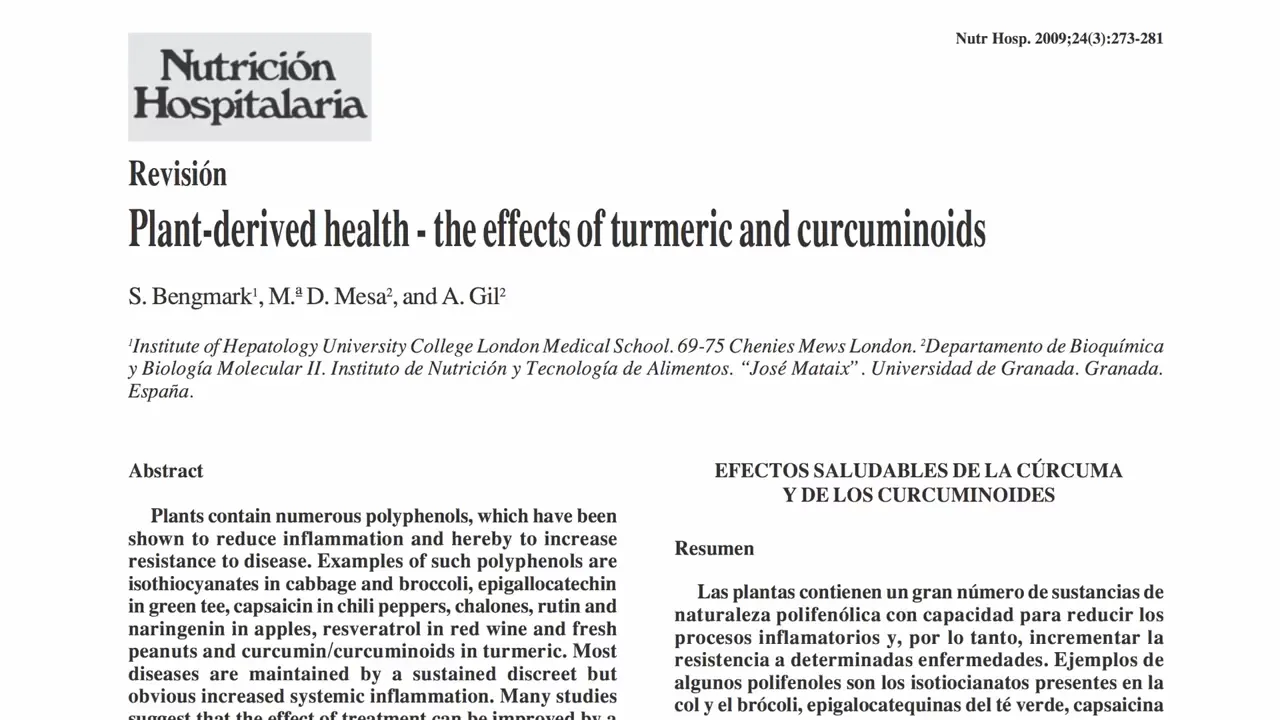
If you look at the doses of turmeric that have been used in human studies they range from less than 1/16 of a teaspoon a day up to about two tablespoons a day for over a month.

Whereas the curcumin trials have used up to the amount found in whole cups of the spice! Around a hundred times more than what curry lovers have been eating for centuries.

Still without overt serious side effects in the short-term at least, but if you combine both high dose curcumin with black pepper for that 2000% bioavailability boost that could be like consuming the equivalent of 29 cups of turmeric a day!

That kind of intake could bring peak blood levels up rather high where you start seeing some significant DNA damage.
So just incorporating turmeric into our cooking may be better than taking curcumin supplements
particularly during pregnancy.

The only other contraindication cited in the most recent review was the potential to trigger gall bladder pain in people with gall stones.
If anything, curcumin may help protect liver function and help prevent gall stones by acting as a cholecystokinetic agent. Meaning it facilitates the pumping action of the gall bladder to keep the bile from stagnating.

In this study they gave people a small dose of curcumin, about the amount found in a quarter teaspoon of turmeric and using ultrasound were able to visualize the gallbladder squeezing down in response with an average change in volume about 29%.

Optimally though you'd want to squeeze it in half so they repeated the experiment with different doses and it took about 40 milligrams to get a 50 percent contraction.
That's about a third of a teaspoon of turmeric every day. On one hand that's great, totally doable but on the other hand I'm thinking wow, that's some incredibly powerful stuff.
What if you had a gall bladder obstruction?
If you had a stone blocking your bile duct and you eat something that makes your gall bladder squeeze down that hard that could hurt.
So patients with biliary tract obstruction should be careful about consuming curcumin but for everybody else these results suggest that curcumin can effectively induce the gallbladder to empty.
Thereby reduce the risk of gall stone formation in the first place and ultimately perhaps even gallbladder cancer.

I hope this helps!