


This publication is not intended as a substitute for treatment by a professional, do not self-diagnose. If you feel that you have half or more of these symptoms, consult a verified specialist.


It is an involuntary anticipation response of the organism to stimuli that can be external or internal, such as thoughts, ideas, images, etc., that are perceived by the individual as threatening or dangerous, and is accompanied by an unpleasant feeling or somatic symptoms of tension. It is a warning signal that warns of imminent danger and allows the person to take the necessary steps to deal with a threat.


Cuando nuestros pensamientos deciden viajar a velocidades incalculables, llevándonos a situaciones que posiblemente no sucederán jamás, es cuándo caemos en el círculo interminable de la ansiedad. Nos preocupamos por cosas que realmente no merecen ningún control, aún así logran llevarnos al extremo de caer en episodios que nos generen malestares repetitivos como lo son los pensamientos negativos, la falta de aire y concentración, temblar, sudar, llorar.
— Dios, siento que no pasaré éste examen, sé que no lo lograré. —adjudicó Melanie, desesperada ante una prueba que aún no tenía fecha para presentarse.
When our thoughts decide to travel at incalculable speeds, leading us into situations that may never happen is when we fall into the endless cycle of anxiety. We worry about things that really don't deserve any control, yet they manage to take us to the extreme of falling into episodes that generate repetitive discomforts such as negative thoughts, lack of air and concentration, shaking, sweating, crying.
— God, I feel like I won't pass this test, I know I won't make it. —said Melanie, despairing of a test that was not yet scheduled.

Lo cierto es que para una persona que padece ansiedad severa éste ejemplo le parecerá la primera gotera formada en una cabeza, pero la verdad es que todos hemos padecido de ansiedad alguna vez, en menor o mayor grado de dificultad y, no es malo sentirlo alguna vez, vivimos en una sociedad en donde debemos llevar el control desde prácticamente nuestras primeras palabras, en los estudios, los tiempos y el trabajo. Lo grave es cuando adaptamos nuestra vida a una manera consecutiva de qué no podemos perder el control de nada y eso nos lleva de la mano a pensar de manera constante de que si algo no sale de acuerdo a lo planeado o pensado será un desastre, seremos un desastre, ahí es donde nace la primera cosquilla de sentirnos ansiosos.
The truth is that for a person who suffers from severe anxiety this example will seem like the first leak formed in a head, but the truth is that we have all suffered from anxiety at some time, in a lesser or greater degree of difficulty and, it is not bad to feel it at some time, we live in a society where we must take control from practically our first words, in studies, times and work. The serious thing is when we adapt our life to a consecutive way that we can not lose control of anything and that leads us to think constantly that if something does not go according to plan or thought will be a disaster, we will be a disaster, this is where the first tickle of feeling anxious is born.

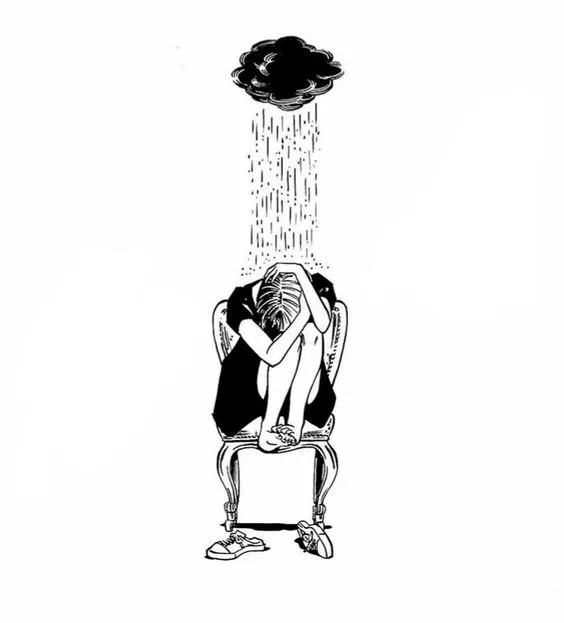
Crece como pequeñas goteras dentro de nuestra cabeza hasta que se forma una tormenta imparable, primero nos somete a situaciones de estrés que dependen de los sucesos ambientales de nuestro alrededor, con el paso del tiempo, nuestro cerebro comienza a vivir en estado de alerta ante cualquier desajuste o imprevisto que pueda ocurrir en el futuro, nos mantiene expectantes de cosas que no conocemos, creamos escenarios que posiblemente jamás sucedan y es cuando anclamos nuestra estabilidad emocional a la preocupación sin final. ¿Cuándo es grave? cuando desarrollamos síntomas físicos que nos limitan a continuar con el paso de los días: llorar, perdida del aire de manera constante, migrañas, insomnio, taquicardia, lapsos de perdida de memoria, escalofríos, temor, problemas gastrointestinales...
It grows like little leaks inside our head until an unstoppable storm forms, first it subjects us to stress situations that depend on the environmental events around us, with the passage of time, our brain begins to live in a state of alert to any maladjustment or unforeseen events that may occur in the future, it keeps us expectant of things we do not know, we create scenarios that may never happen and that is when we anchor our emotional stability to the endless worry. When is it serious? When we develop physical symptoms that limit us to continue with the passage of days: crying, constant loss of air, migraines, insomnia, tachycardia, memory loss lapses, chills, fear, gastrointestinal problems...


Es muy importante para mi que entiendas que por el hecho de sufrir ansiedad eso no te disminuye como persona, ni tampoco significa que algo esté mal contigo. Comprender que muchas veces de manera inconsciente nuestro cerebro decide adaptarse a vivir en alerta es algo que se escapa de nuestras manos, así que por favor respira y tomemos como iniciativa aceptar cada temporada por la cuál pasaremos en nuestras vidas, nada es lineal y cada espacio que recorramos en nuestras etapas sólo nos ayudará a aprender para enseñar. Yo sufro de ansiedad, la mayor parte de mí día se ve retratado por películas de cosas que creo que pasarán pero que jamás llegan a cumplirse, lo importante es nunca culparnos sino siempre sanar.
It is very important to me that you understand that suffering anxiety does not diminish you as a person, nor does it mean that something is wrong with you. To understand that many times unconsciously our brain decides to adapt to live in alert is something that escapes our hands, so please breathe and take the initiative to accept each season that we will go through in our lives, nothing is linear and each space that we go through in our stages will only help us learn to teach. I suffer from anxiety, most of my day is portrayed by movies of things that I think will happen but never come to pass, the important thing is never to blame us but always to heal.

Recuerda que somos seres con capacidad de memoria, la ansiedad puede dispararse por un suceso que hayas sufrido en el pasado y, cuándo tu cerebro sienta que algo similar ocurre en tu presente se pondrá en alerta. Un ejemplo de ello puede ser caerte de una bicicleta cuando eras pequeño y por consecuente, te genere ansiedad subirte a una luego de ello. Así que, haz un plan de introspección en el que te permitas observar qué te hace reaccionar o que puede sumergirte a sufrir un estado de ansiedad en determinado momento.
Remember that we are beings with memory capacity, anxiety can be triggered by an event that you have suffered in the past and when your brain feels that something similar is happening in your present it will become alert. An example of this could be falling off a bicycle when you were a child and consequently, you feel anxious about getting on one afterward. So, make a plan of introspection in which you allow yourself to observe what makes you react or what can plunge you into a state of anxiety at a certain moment.

Compaginado con lo anterior, sentir cada síntoma por el cuál pases en un episodio e identificarlo, te va a permitir buscar una manera de calmar la intensidad del mismo, es decir, si en tus estados ansiosos explotas en llanto, centrarte en tu respiración y contar hasta 10 constantemente es una manera de detener el llanto y volver de nuevo al presente.
Combined with the above, feeling each symptom you go through in an episode and identifying it, will allow you to find a way to calm the intensity of it, that is, if in your anxious states you explode in tears, focus on your breathing and count to 10 constantly is a way to stop the crying and return to the present.

Del 100% de tus pensamientos ¿cuántos de ellos son negativos? Presta atención a todo lo que piensas de manera constante, recuerda que traer oscuridad constante en la mente puede inducirnos a estados de estrés, depresión y ansiedad. Canalízalos y comienza a reemplazarlos por su contra-parte positiva, es un poco difícil porque nuestro cerebro ya se siente muy cómodo en el lugar en el cuál está (la negatividad) pero es hora de ejercitarlo y moverlo a un lugar más sano para ti.
Of the 100% of your thoughts, how many of them are negative? Pay attention to everything you think about constantly, remember that bringing constant darkness into the mind can lead to states of stress, depression and anxiety. Channel them and start replacing them with their positive counterpart, it's a little difficult because our brain already feels very comfortable in the place it is (the negativity) but it's time to exercise it and move it to a healthier place for you.

Aquí es donde tu y el mindfulness deberían tener su primera cita, suelta la incertidumbre poco a poco, comienza a ejercitar tu cerebro a vivir en el presente con el mindfulness, escucha algunos audios guiados para que te ayuden a aprender a regresarte al presente, la respiración es la base de todo esto, siempre que estés atravesando un episodio ansioso, piensa en respirar y, si estás acompañado la mayor parte de tu día, pídele a tus acompañantes que cuándo te identifiquen en un episodio te inciten a recuperar el control con la respiración, cuenta hasta 10 repetidas veces hasta que todo pase.
This is where you and mindfulness should have your first date, let go of the uncertainty little by little, start exercising your brain to live in the present with mindfulness, listen to some guided audios to help you learn to return to the present, breathing is the basis of all this, whenever you are going through an anxious episode, think about breathing, and if you are accompanied most of your day, ask your companions, when they identify you in an episode, to encourage you to regain control by breathing, count up to 10 everytitime until everything passes.

No te juzgues, no te culpes, no seas tu verdugo y no seas víctima. Ten presente que tu formas tu realidad y que esto sólo será una etapa de la cuál vas a tomar muchísimos conocimientos para poder enseñarle a los demás, por tanto, no te sueltes la mano. Fíjate metas a corto plazo que involucren aquellos temores que despiertan tu ansiedad, por ejemplo, si te está costando ser sociable porque te genera algún tipo de ansiedad, tomate 5 minutos para compartir con tus compañeros de trabajo y estudia todos tus síntomas, una vez armada una bitácora podrás actuar en función de mejorarlos. Crea un diario, medita, regresa siempre al presente y piensa en positivo.
Don't judge yourself, don't blame yourself, don't be your executioner and don't be a victim. Keep in mind that you form your reality and that this will only be a stage from which you will take a lot of knowledge to be able to teach others, therefore, do not let go of your hand. Set short term goals that involve those fears that awaken your anxiety, for example, if you are having trouble being sociable because you are anxious, take 5 minutes to share with your co-workers and study all your symptoms, once you have set up an analysis you will be able to act to improve them. Keep a diary, meditate, always return to the present and think positively.

Estamos para aprender de nosotros mismos y somos base de nuestras experiencias, todo pasa, recuerda que somos agua y el agua está constantemente fluyendo. Es difícil, si, pero nunca imposible, muchas veces darás cinco pasos hacía adelante pero retrocederás dos, recuerda jamás recriminarte por eso. La ansiedad termina siendo un tema global, todos alguna vez pasamos por ella, simplemente no te rindas, recuerda siempre que si sientes que algo te supera demasiado pide ayuda a un profesional.
We are here to learn from ourselves and we are the basis of our experiences, everything happens, remember that we are water and water is constantly flowing. It is difficult, yes, but never impossible, many times you will take five steps forward but two steps back, remember never to reproach yourself for that. Anxiety ends up being a global issue, we all go through it sometime, just do not give up, always remember that if you feel that something is too much for you, ask a professional for help.
Imagen 1
Imagen 2
Imagen 3
Imagen 4
Imagen 5